Use Area
01
Water-Based Mud (WBM)
Role / FunctionViscosity, Filtration Control & Borehole Stabilisation
Key GradesMicron Gel, MicronGel CS, API Bentonite, OCMA Bentonite
Bentonite is a naturally occurring clay primarily composed of montmorillonite, widely used in oil and gas drilling operations. It acts as a key component in drilling fluids due to its excellent swelling, viscosity, and filtration control properties. Bentonite

Why Bentonite is the preferred choice for oil & gas formulations
 Performance engineered for Oil & Gas
Comprehensive range of Bentonite grades for diverse industrial applications

Standard API bentonite for water-based drilling mud systems, providing effective viscosity development, filtration control, and borehole stabilisation in oil and gas drilling operations.
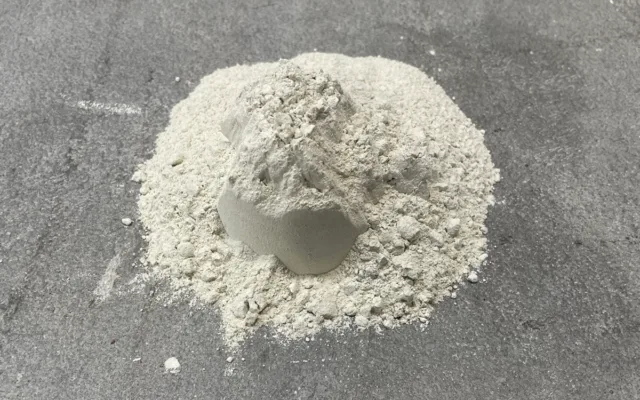
High-yield bentonite for applications requiring superior viscosity at lower dosage, providing excellent swelling, filtration control, and cuttings transport efficiency in demanding drilling conditions.

API 13A-certified bentonite for oil and gas drilling mud systems meeting specific yield point and fluid loss requirements per international petroleum industry standards.
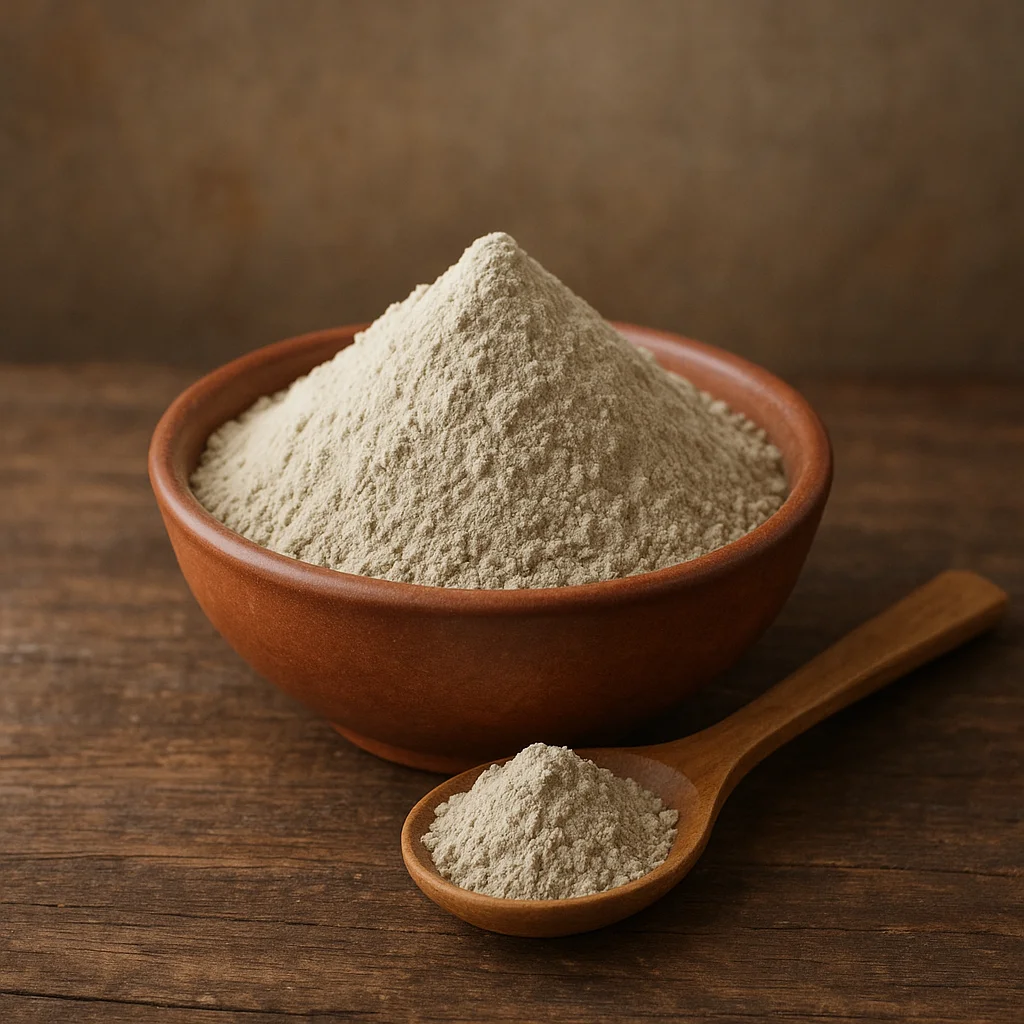
OCMA-grade bentonite meeting European and international oil company material association standards for drilling fluid viscosity, filtration, and rheological performance.
Application areas listed against Bentonite in the Oil & Gas application matrix
Role / FunctionViscosity, Filtration Control & Borehole Stabilisation
Key GradesMicron Gel, MicronGel CS, API Bentonite, OCMA Bentonite

Role / FunctionViscosity, Filtration Control & Borehole Stabilisation
Key GradesMicron Gel, MicronGel CS, API Bentonite, OCMA Bentonite

Role / FunctionViscosity, Filtration Control & Borehole Stabilisation
Key GradesMicron Gel, MicronGel CS, API Bentonite, OCMA Bentonite

Role / FunctionViscosity, Filtration Control & Borehole Stabilisation
Key GradesMicron Gel, MicronGel CS, API Bentonite, OCMA Bentonite
Applications listed for Bentonite in the Oil & Gas product sheet
Our experts will guide you to the perfect bentonite solution
Other website markets with a verified Bentonite product-family listing
Common questions about Bentonite in oil & gas applications
Bentonite's montmorillonite mineral swells dramatically in fresh water (up to 15–20 times its dry volume for sodium bentonite), dispersing into charged clay platelets. These platelets interact electrostatically to form a gel network that provides viscosity and thixotropy — flowing during pumping but gelling at rest to suspend cuttings.
Bentonite forms a thin, low-permeability filter cake on the borehole wall when subjected to differential pressure. This cake prevents excessive drilling fluid loss into permeable formations, maintains wellbore pressure balance, and reduces the risk of formation damage or differential sticking of the drill string.
API 13A grade bentonite must produce ≥16 cP viscosity per API yield test and meet specific fluid loss and sand content criteria. OCMA grade meets equivalent European specifications. Both are suitable for oil and gas drilling, with selection based on operator preference and regional standards.
Bentonite swelling is suppressed by monovalent (Na⁺, K⁺) and particularly divalent (Ca²⁺, Mg²⁺) cations in salt water, which exchange with sodium on the clay surface, reducing electrostatic repulsion and interlayer swelling. In saline conditions, attapulgite (Saltgel) is used instead of bentonite.
Yes. Bentonite drilling mud is widely used in HDD (trenchless pipeline installation), foundation drilling (slurry walls, bored piles), and geotechnical investigation boreholes. In these civil applications, bentonite provides borehole wall stabilisation, cuttings transport, and lubrication — the same functions as in oil and gas drilling.
Bentonite filter cake on the borehole wall must be removed during well completion to restore formation permeability. Chemical breakers (oxidisers, enzymes, acids) are used to degrade the filter cake. Unlike CaCO₃ bridges, bentonite filter cake is not acid-soluble and requires specific breaker treatments.
Watch how 20 Microns' Bentonite supports real-world industrial applications.
 YouTube
Official Product Film
YouTube
Official Product Film
Partner with India's leading producer of industrial minerals for superior bentonite solutions