Use Area
01
Sanitaryware
Workbook ProductBentonite
MarketCeramic
Extremely high-purity refined white bentonite is used as a performance additive in ceramic applications. It improves glaze slip stability by preventing settling, reduces crack tendency during drying, and improves green and dry strength of ceramic bodies. Its h

Why Bentonite is the preferred choice for ceramic formulations
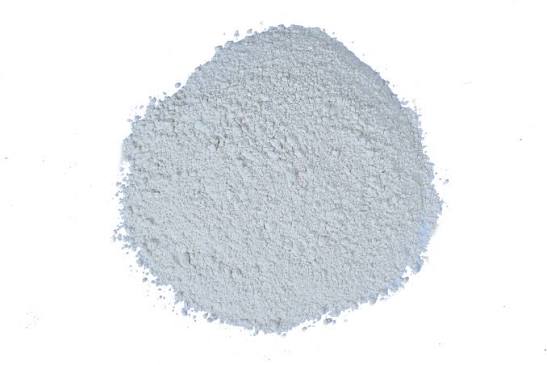 Performance engineered for Ceramic
Comprehensive range of Bentonite grades for diverse industrial applications
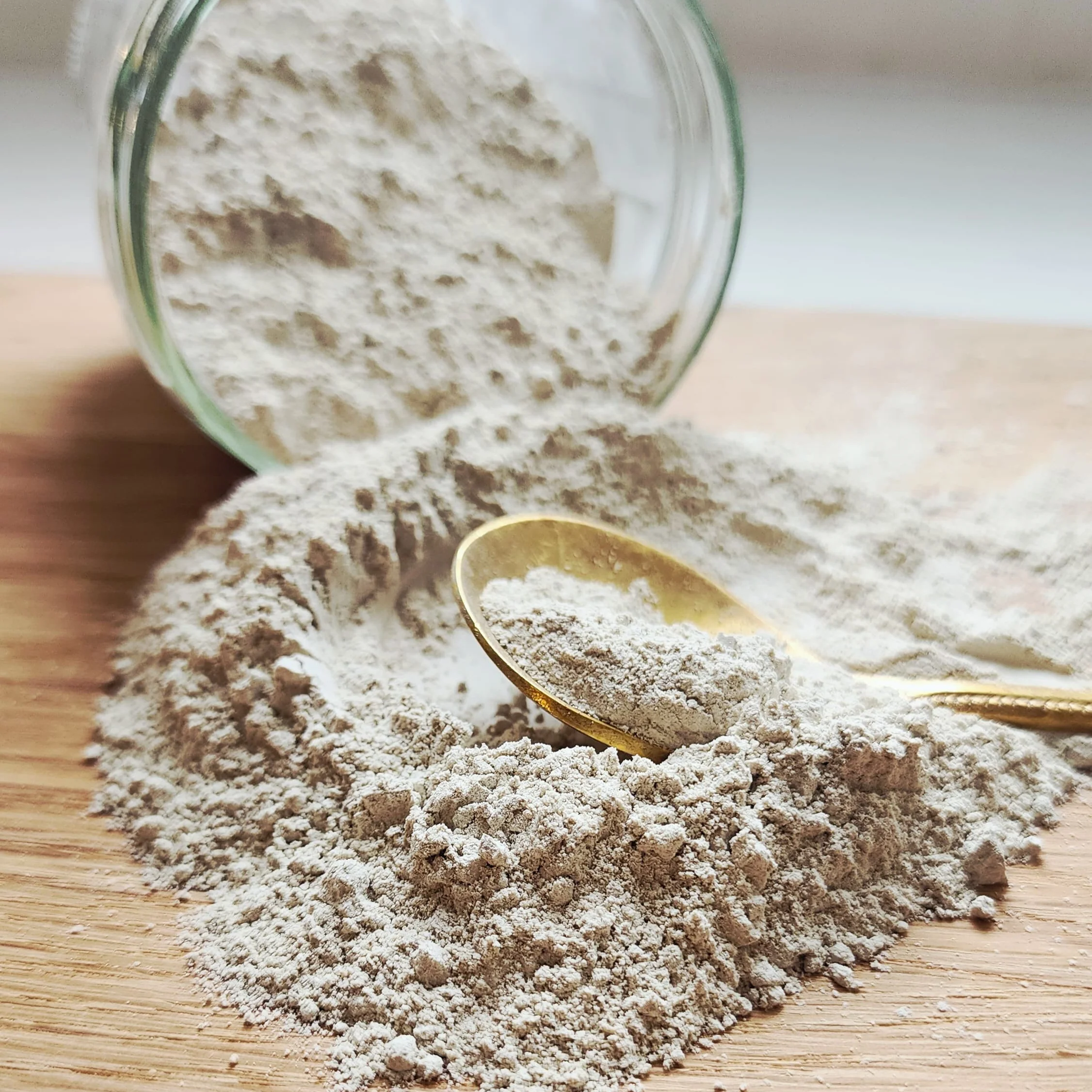
Extremely high-purity refined white bentonite for ceramic applications. Improves glaze slip stability, reduces crack tendency, and improves green and dry strength of ceramic bodies. High whiteness grade ensures no adverse effect on the firing colour of glaze or ceramic body.
Application areas listed against Bentonite in the Ceramic application matrix
Workbook ProductBentonite
MarketCeramic

Workbook ProductBentonite
MarketCeramic

Workbook ProductBentonite
MarketCeramic
Applications listed for Bentonite in the Ceramic product sheet
Our experts will guide you to the perfect bentonite solution
Other website markets with a verified Bentonite product-family listing
Common questions about Bentonite in ceramic applications
White bentonite is a high-purity, calcium or sodium montmorillonite clay refined to remove iron and other colouring impurities. Standard bentonite has grey or buff colours due to higher iron content. White bentonite is specifically used in ceramics where colour purity is critical, as it does not discolour glaze or body after firing.
Bentonite's montmorillonite mineral structure swells in water, forming a colloidal gel network that suspends glaze ingredients and prevents sedimentation. Even at very low dosage (0.1–1%), bentonite provides significant stabilisation of ceramic glaze slips, engobes, and casting slips.
Bentonite is used at very low dosages — typically 0.1–1.0% by weight of the dry batch — due to its high swelling capacity and colloidal activity. Higher dosages can adversely affect the rheology, making the slip too thick or reducing casting rate in sanitaryware production.
Bentonite acts as a colloidal binder in the ceramic slip, improving the cohesion between ceramic particles during drying. This better bonding reduces differential drying stresses, lowering the tendency for crack formation as moisture evaporates from the green ceramic body.
Yes. Bentonite is used in casting slips to improve rheological stability and green strength, and in glaze formulations to prevent glaze settling and improve adhesion of the glaze layer to the ceramic body before firing.
Iron, manganese, and other colouring impurities in bentonite can cause discolouration (grey, cream, or brown tones) in the fired ceramic glaze or body. High-purity white bentonite grades are specifically refined to minimise these impurities, ensuring no adverse effect on the fired whiteness of premium ceramic products.
Watch how 20 Microns' Bentonite supports real-world industrial applications.
 YouTube
Official Product Film
YouTube
Official Product Film
Partner with India's leading producer of industrial minerals for superior bentonite solutions