
Use Area
01
Shale Inhibition
Role / FunctionShale Stabilisation (Chloride-Free)
Key GradesPotassium Sulphate R, Potassium Sulphate HP
Potassium Sulphate (K₂SO₄) is used in oil and gas drilling fluids as a shale stabilising additive. It helps inhibit clay swelling and dispersion in water-sensitive formations, improving wellbore stability. The potassium ions interact with reactive clays, reduc

Why Potassium Sulphate is the preferred choice for oil & gas formulations
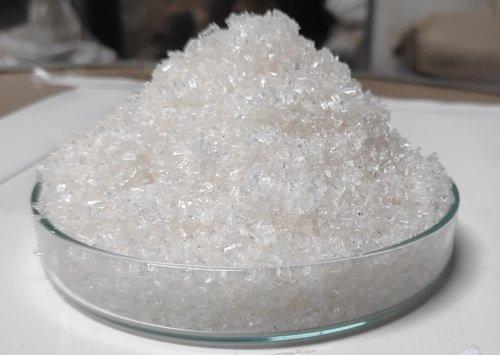 Performance engineered for Oil & Gas
Comprehensive range of Potassium Sulphate grades for diverse industrial applications
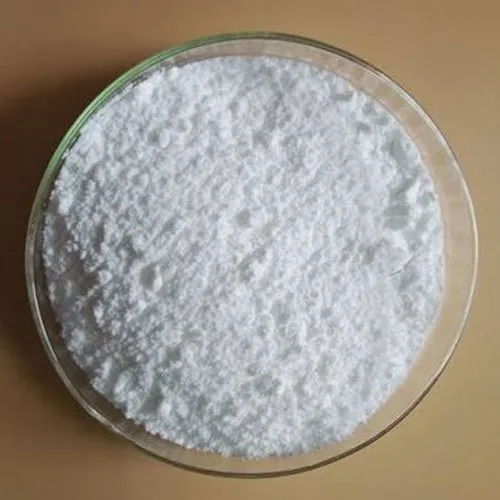
Standard-grade potassium sulphate for oil and gas drilling fluid shale inhibition, providing effective K⁺ ion exchange with reactive clay minerals to stabilise reactive shale formations in a chloride-free system.
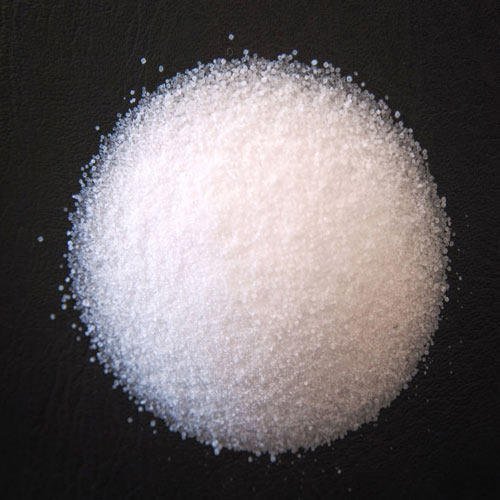
High-purity potassium sulphate for demanding drilling operations requiring superior shale inhibition performance, consistent solution quality, and compatibility with complex water-based mud formulations.
Application areas listed against Potassium Sulphate in the Oil & Gas application matrix
Role / FunctionShale Stabilisation (Chloride-Free)
Key GradesPotassium Sulphate R, Potassium Sulphate HP

Role / FunctionShale Stabilisation (Chloride-Free)
Key GradesPotassium Sulphate R, Potassium Sulphate HP

Role / FunctionShale Stabilisation (Chloride-Free)
Key GradesPotassium Sulphate R, Potassium Sulphate HP
Applications listed for Potassium Sulphate in the Oil & Gas product sheet
Our experts will guide you to the perfect potassium sulphate solution
Common questions about Potassium Sulphate in oil & gas applications
Potassium ions (K⁺) from dissolved K₂SO₄ exchange with sodium and other cations on the clay mineral surfaces of reactive shale formations. K⁺ fits perfectly into the hexagonal cavity of clay mineral siloxane surfaces, forming stable bonds that prevent water molecules from entering clay interlayer spaces, thereby inhibiting swelling and dispersion.
Potassium sulphate provides equivalent K⁺ shale inhibition to potassium chloride (KCl) while being chloride-free. This makes K₂SO₄ preferred in environmentally sensitive drilling areas where chloride discharge is restricted — such as certain offshore zones, freshwater-protected regions, and jurisdictions with strict produced water chloride limits.
K₂SO₄ is typically used at 2–8% by weight in water-based mud formulations, depending on the reactivity of the shale formation and the required degree of inhibition. Concentration is optimised through laboratory testing on representative shale samples from the target formation.
Yes. K₂SO₄ is often used in combination with other inhibitors such as KCl, polyamines, polyols, or PHPA for enhanced shale inhibition in highly reactive formations. The K⁺ ion provides clay fixation while polymer inhibitors provide additional encapsulation of clay particles.
At typical inclusion rates (2–8%), K₂SO₄ slightly increases fluid density and ionic strength, which may affect rheological behaviour of bentonite-based muds. Mud weight, PV, YP, and gel strength should be re-checked after K₂SO₄ addition and adjusted as needed.
Potassium Sulphate HP (High Purity) is processed to remove trace impurities that could interfere with complex mud formulations or sensitive completion operations. It ensures consistent dissolution, reduced scaling potential, and reliable performance in demanding drilling programs with strict fluid quality requirements.
Watch how 20 Microns' Potassium Sulphate supports real-world industrial applications.
 YouTube
Official Product Film
YouTube
Official Product Film
Partner with India's leading producer of industrial minerals for superior potassium sulphate solutions