Use Area
01
Pesticide Granules
Role / FunctionBinder, Carrier & Soil Conditioner
Formulation TypesGranular Pesticides, Biofertilisers, Seed Treatment
Bentonite is widely used in agrochemical formulations as a carrier, binder, and soil conditioner. Its excellent adsorption, swelling, and moisture-retention properties help improve granule strength, formulation stability, and handling characteristics. It al...

Why Bentonite is the preferred choice for agro formulations
 Performance engineered for Agro
Comprehensive range of Bentonite grades for diverse industrial applications
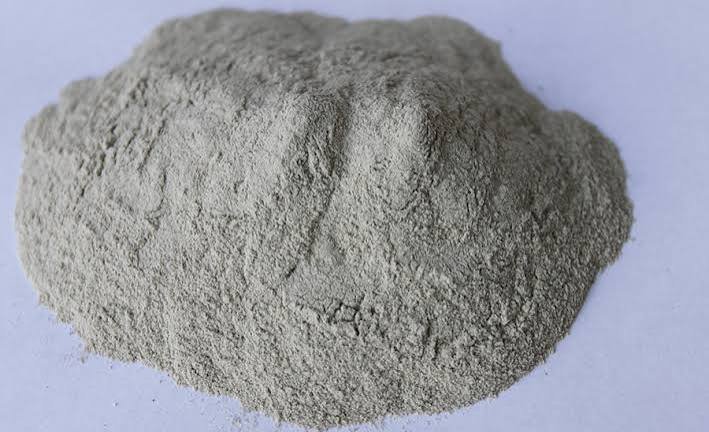
High-swelling sodium bentonite for agrochemical granule binder, carrier, and soil conditioner applications. Provides excellent granule strength, active ingredient adsorption, moisture retention, and controlled release in pesticide granules, fertilizers, and biofertilisers.
Application areas listed against Bentonite in the Agro application matrix
Role / FunctionBinder, Carrier & Soil Conditioner
Formulation TypesGranular Pesticides, Biofertilisers, Seed Treatment
Role / FunctionBinder, Carrier & Soil Conditioner
Formulation TypesGranular Pesticides, Biofertilisers, Seed Treatment
Role / FunctionBinder, Carrier & Soil Conditioner
Formulation TypesGranular Pesticides, Biofertilisers, Seed Treatment
Applications listed for Bentonite in the Agro product sheet
Our experts will guide you to the perfect bentonite solution
Other website markets with a verified Bentonite product-family listing
Common questions about Bentonite in agro applications
Bentonite's montmorillonite mineral swells significantly in the presence of moisture, binding particles together with strong cohesive forces during granulation. This produces mechanically strong granules that resist breakage during handling, transportation, and application.
Bentonite's layered clay structure adsorbs active ingredients within its interlayer spaces and on its surfaces. This adsorption slows the immediate release of actives into soil moisture, creating a controlled-release profile that extends the duration of pesticide activity and reduces leaching risk.
When bentonite-based granules are applied to soil, the bentonite component improves soil structure by increasing the cation exchange capacity (CEC), improving water retention in sandy soils, and enhancing the physical condition of soil for root development and microbial activity.
Sodium bentonite is strongly preferred for granule binder applications because it has much higher swelling capacity (15–20x volume) compared to calcium bentonite (4–5x). Higher swelling produces stronger inter-particle bonds during granulation, resulting in harder, more durable agrochemical granules.
Yes. Bentonite is an effective carrier for biofertiliser microorganisms because its porous, adsorptive structure provides a protective habitat for microbial cells, maintains adequate moisture, and significantly extends the shelf life of biological inoculants compared to peat-based carriers.
Bentonite's binding action produces dense, hard granules with low fines generation during handling. Its moisture-retention capacity within the granule prevents excessive drying or uptake of ambient moisture, improving storage stability and extending shelf life.
Watch how 20 Microns' Bentonite supports real-world industrial applications.
 YouTube
Official Product Film
YouTube
Official Product Film
Partner with India's leading producer of industrial minerals for superior bentonite solutions