Use Area
01
Water-Based Mud
Role / FunctionBridging, Weighting & Fluid Loss Control
Key GradesMicron Carb Fine/Medium/Coarse, Sized CaCO₃, Micronised CaCO₃
Calcium Carbonate is a high-purity mineral widely used in oil and gas drilling and completion fluids. It functions primarily as a bridging and weighting agent, helping to control fluid loss and stabilise wellbore formations. Available in multiple particle size

Why Calcium Carbonate is the preferred choice for oil & gas formulations
 Performance engineered for Oil & Gas
Comprehensive range of Calcium Carbonate grades for diverse industrial applications
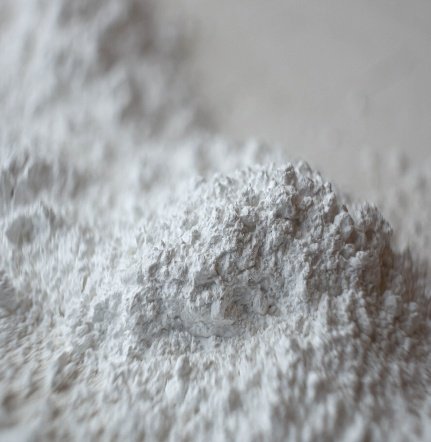
Range of sized calcium carbonate grades for drilling fluid applications, providing specific bridging particle sizes to seal permeable zones across a range of formation permeability conditions.
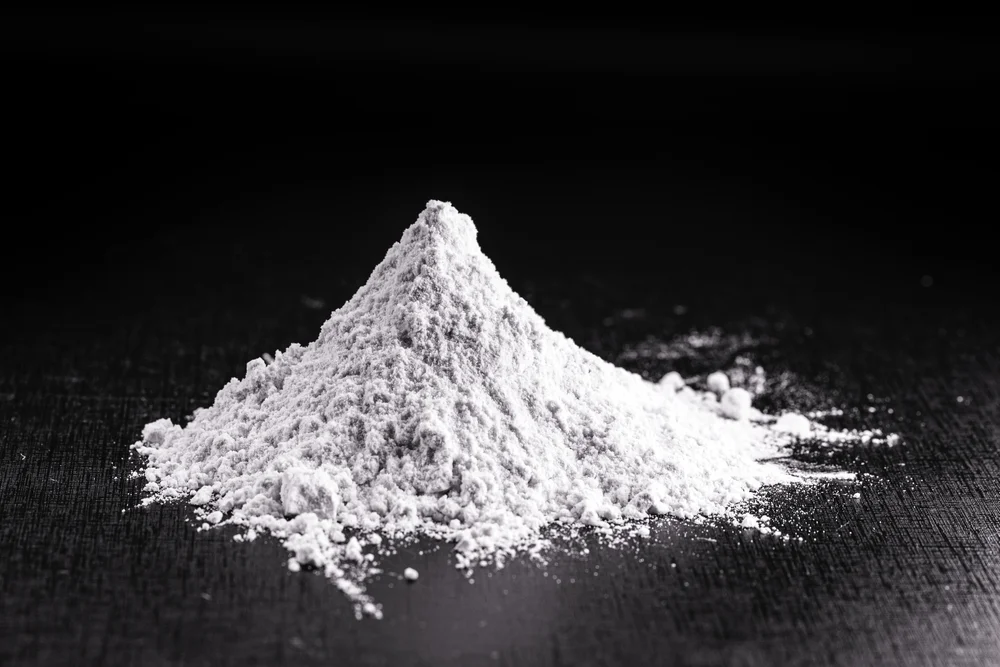
Ultra-fine calcium carbonate for fluid loss control in high-permeability zones and as a weighting agent in completion fluids, providing fine particle bridging and reservoir-compatible performance.
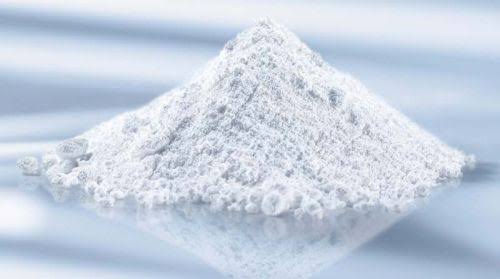
Custom-sized calcium carbonate grades with specific particle size distributions optimised for bridging and sealing specific formation permeability ranges in reservoir drilling fluids and completion operations.
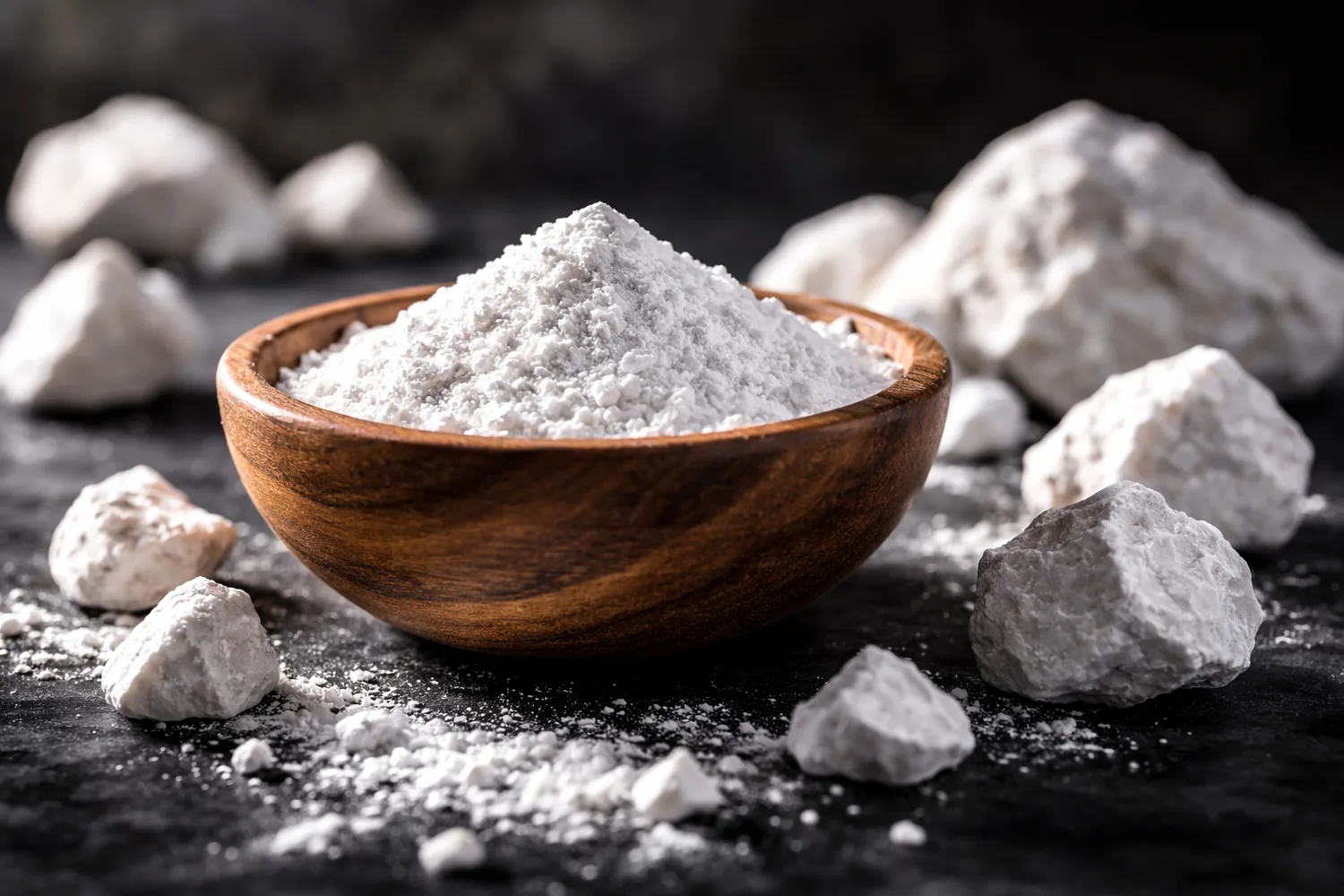
Comprehensive range from 2µ to 2500µ, covering the full spectrum from fine fluid loss control particles to coarse LCM bridging grades for all drilling and completion fluid applications.
Application areas listed against Calcium Carbonate in the Oil & Gas application matrix
Role / FunctionBridging, Weighting & Fluid Loss Control
Key GradesMicron Carb Fine/Medium/Coarse, Sized CaCO₃, Micronised CaCO₃

Role / FunctionBridging, Weighting & Fluid Loss Control
Key GradesMicron Carb Fine/Medium/Coarse, Sized CaCO₃, Micronised CaCO₃

Role / FunctionBridging, Weighting & Fluid Loss Control
Key GradesMicron Carb Fine/Medium/Coarse, Sized CaCO₃, Micronised CaCO₃

Role / FunctionBridging, Weighting & Fluid Loss Control
Key GradesMicron Carb Fine/Medium/Coarse, Sized CaCO₃, Micronised CaCO₃
Applications listed for Calcium Carbonate in the Oil & Gas product sheet
Our experts will guide you to the perfect calcium carbonate solution
Other website markets with a verified Calcium Carbonate product-family listing
Common questions about Calcium Carbonate in oil & gas applications
Calcium carbonate is the preferred bridging agent in reservoir drilling fluids because it effectively seals permeable formation pores to prevent fluid invasion while remaining acid-soluble. During well stimulation, acid injection dissolves the CaCO₃ bridge, restoring formation permeability and maximising well productivity.
Effective bridging requires matching CaCO₃ particle size to the formation pore throat diameter — typically using D50 of the bridging material at approximately 1/3 to 1/2 the median pore throat size. Our Micron Carb range (2µ to 2500µ) allows selection of the optimal particle size for each formation permeability condition.
CaCO₃ bridges across pore throats form a low-permeability filter cake that prevents deep filtrate invasion. HCl acid (commonly 15% concentration) dissolves this filter cake completely, removing the bridge and restoring original formation permeability without leaving insoluble residues.
Yes. Fine calcium carbonate can partially replace more expensive density-providing materials in completion fluids, providing some density contribution while adding bridging capability. However, for high-density requirements, CaCO₃ is supplemented with soluble brines as its SG (~2.7 g/cc) limits maximum achievable mud density.
Sized CaCO₃ refers to grades with controlled coarse particle distributions (50–2500µ) for bridging larger pore throats and LCM. Micronised CaCO₃ refers to very fine grades (<10µ) for sealing micro-pores and fine filtration control. Most drilling programs use a blend of sizes for optimal bridging efficiency.
Calcium carbonate is compatible with water-based mud systems across a wide pH range. In oil-based and invert emulsion systems, oil-wet CaCO₃ is used for fluid loss control. Always verify with fluid system design guidelines for specific formulations.
Watch how 20 Microns' Calcium Carbonate supports real-world industrial applications.
 YouTube
Official Product Film
YouTube
Official Product Film
Partner with India's leading producer of industrial minerals for superior calcium carbonate solutions