Use Area
01
Sanitaryware — Casting Slip / Body
Role / FunctionSkeleton Filler, Shrinkage Control
Key GradesMICRON SILICA 300 MESH
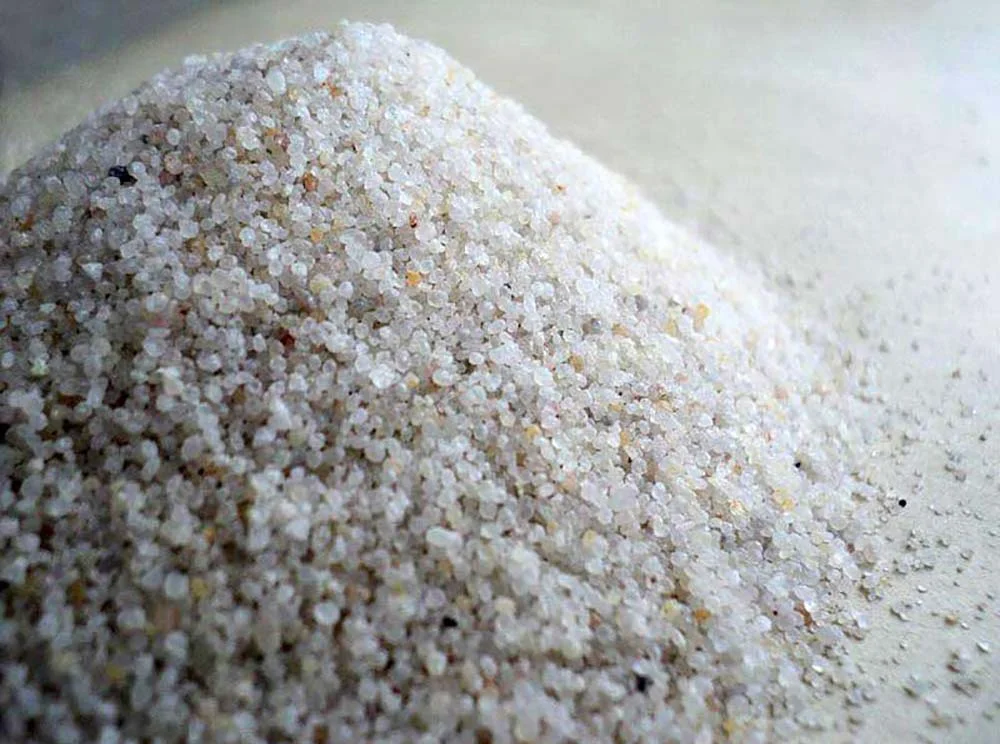
Silica is one of the most essential raw materials in ceramic bodies and glazes. It primarily acts as a filler and glass former, contributing to the strength, durability, and thermal stability of ceramic products. In body formulations it helps control shrinkage

Why Silica is the preferred choice for ceramic formulations
 Performance engineered for Ceramic
Comprehensive range of Silica grades for diverse industrial applications
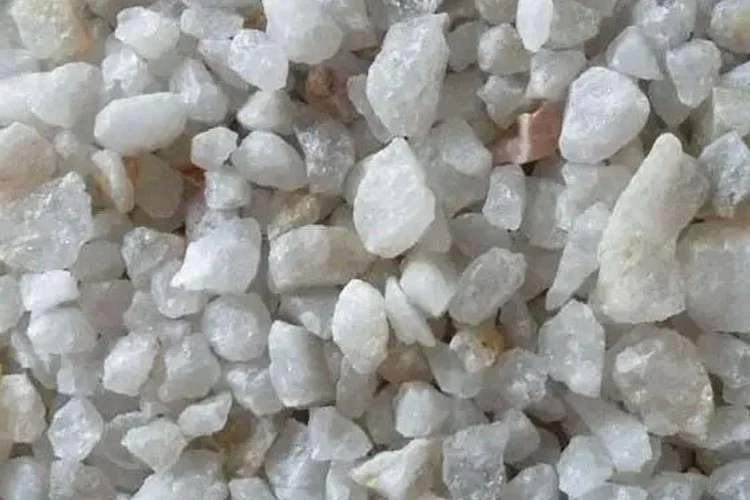
Controlled-quality silica grade (300 mesh) for sanitaryware, tableware, and tile ceramic bodies. Acts as a skeleton filler controlling shrinkage, warpage, and drying behaviour while contributing to fired strength and dimensional stability.
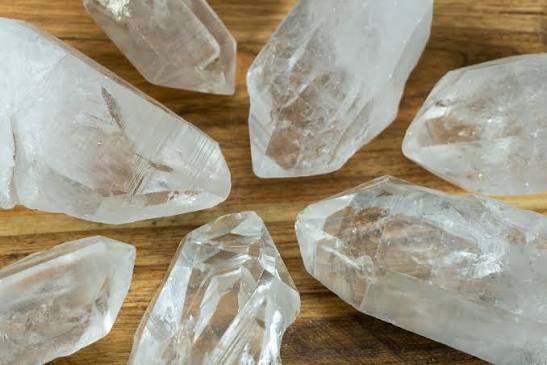
High-purity quartz silica for ceramic tile body and glaze applications, serving as the primary SiO₂ source for glass formation, contributing to glaze hardness, gloss, and chemical durability while providing thermal stability to the fired tile body.
Application areas listed against Silica in the Ceramic application matrix
Role / FunctionSkeleton Filler, Shrinkage Control
Key GradesMICRON SILICA 300 MESH

Role / FunctionStrength, Thermal Stability
Key GradesMICRON SILICA 300 MESH

Role / FunctionSkeleton, Shrinkage Control
Key GradesQUARTZ

Role / FunctionSkeleton, Thermal Stability
Key Grades—
Applications listed for Silica in the Ceramic product sheet
Our experts will guide you to the perfect silica solution
Other website markets with a verified Silica product-family listing
Common questions about Silica in ceramic applications
Silica is the skeleton filler in ceramic bodies. It controls shrinkage, warpage, and drying behaviour during the green stage, and contributes to fired strength and thermal stability by forming a silica-rich glass phase with the fluxes (feldspar, calcium carbonate) during high-temperature sintering.
In ceramic glazes, silica is the primary glass-forming oxide (SiO₂). It determines glaze viscosity, surface tension, thermal expansion, hardness, gloss, and chemical durability. Higher SiO₂ content generally improves glaze hardness and chemical resistance but raises the maturing temperature.
Free silica undergoes phase transformations (α-β quartz inversion at 573°C) during firing and cooling, influencing the thermal expansion behaviour of the ceramic body. Careful control of silica particle size and content is essential to match the thermal expansion of body and glaze, preventing crazing.
Particle size depends on the application. For ceramic bodies, 300 mesh (45 microns) silica is commonly used to balance reactivity and shrinkage control. For glazes, finer silica is preferred for uniform glass formation and smooth surface. Our MICRON SILICA 300 MESH and QUARTZ grades cover these requirements.
Yes. Excess free silica can cause quartz inversion cracking during rapid cooling, and may mismatch the thermal expansion with the glaze layer, causing crazing or shivering. Balanced silica content formulated with the appropriate flux system ensures optimal fired strength and glaze integrity.
Yes. Silica is used in both wall and floor tile bodies, though the specification may differ. Floor tiles require higher mechanical strength, so silica loading and particle size may be optimised for densification. Wall tiles use silica primarily for shrinkage control and warpage reduction during firing.
Watch how 20 Microns' Silica supports real-world industrial applications.
 YouTube
Official Product Film
YouTube
Official Product Film
Partner with India's leading producer of industrial minerals for superior silica solutions