Use Area
01
Sanitaryware — Glaze / Engobe
Role / FunctionWhite Opacifier
Key Grades—
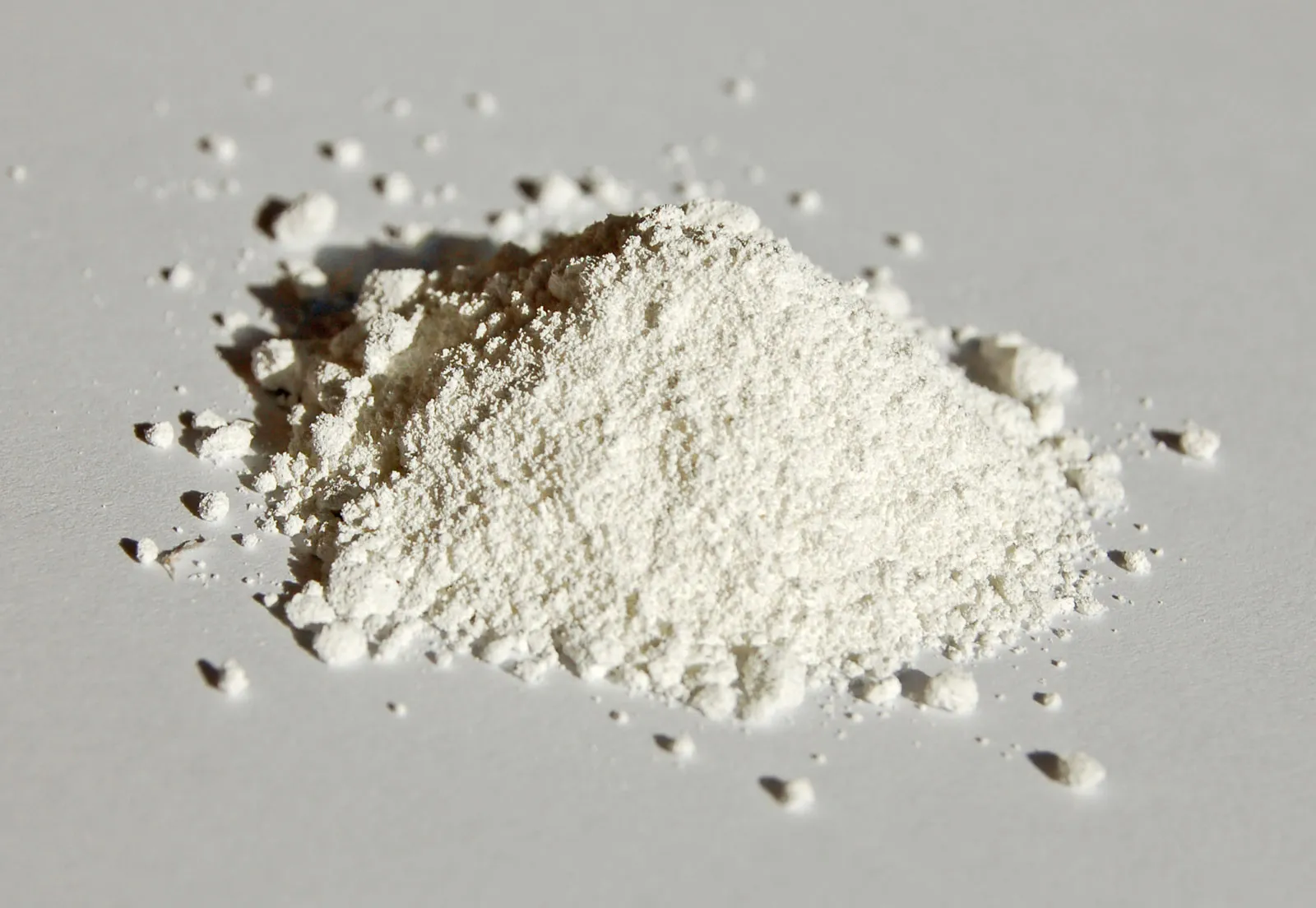
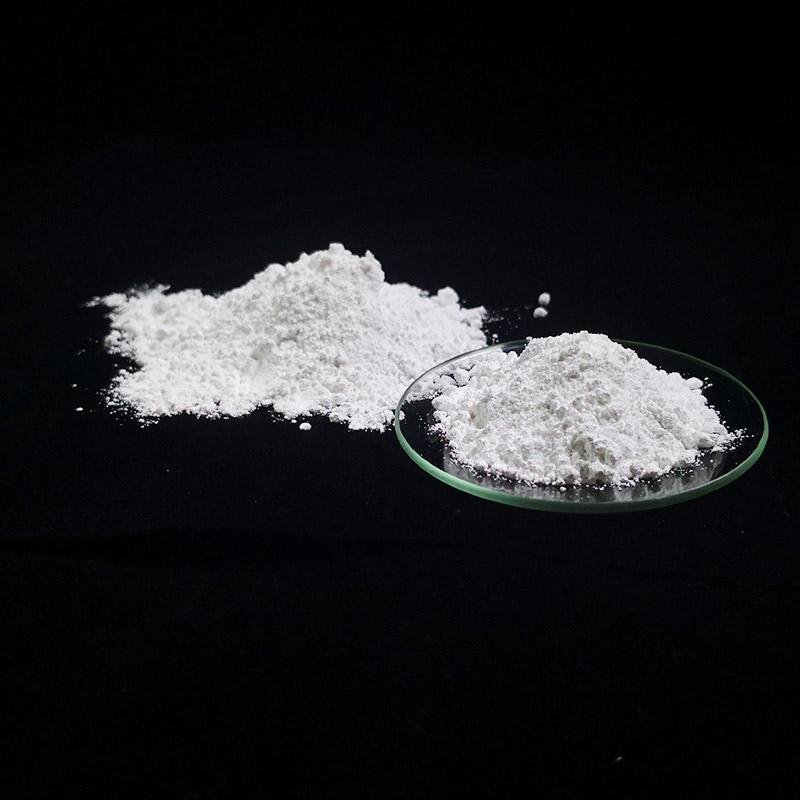
Titanium dioxide (TiO₂) is used in ceramic glazes as a white opacifier and pigment. Its exceptionally high refractive index (2.55–2.70 for rutile) delivers excellent opacity and brightness, enhancing the fired whiteness of glaze surfaces. It also contributes t
Why Titanium Dioxide – White is the preferred choice for ceramic formulations
 Performance engineered for Ceramic
Comprehensive range of Titanium Dioxide – White grades for diverse industrial applications
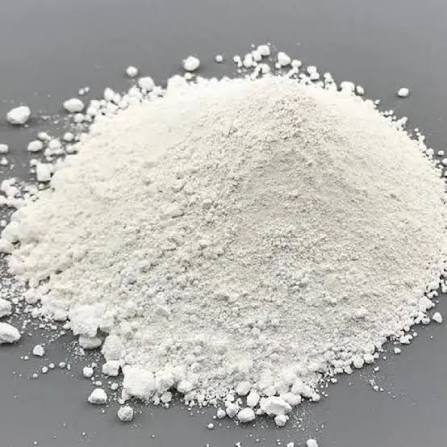
Rutile-phase titanium dioxide with the highest refractive index (2.70) for maximum opacity and brightness in ceramic glaze. Can produce characteristic rutile streaking effects in decorative glaze applications.
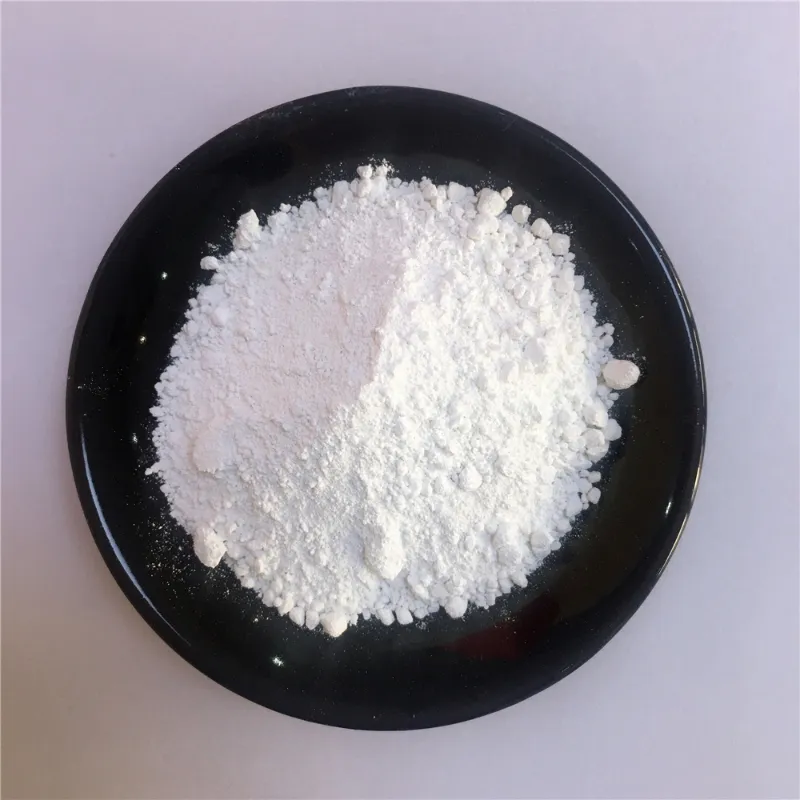
Anatase-phase titanium dioxide providing high brightness and whiteness in ceramic glaze. Lower refractive index than rutile (2.55) but offers brighter, cooler white tones in fired glaze and is used in specific decorative glaze effects.
Application areas listed against Titanium Dioxide – White in the Ceramic application matrix
Role / FunctionWhite Opacifier
Key Grades—
Applications listed for Titanium Dioxide – White in the Ceramic product sheet
Our experts will guide you to the perfect titanium dioxide – white solution
Common questions about Titanium Dioxide – White in ceramic applications
TiO₂ has a higher refractive index (2.55–2.70) compared to zirconium silicate (~2.0), meaning it provides superior opacity per unit weight. However, TiO₂ is more reactive with other glaze oxides at high temperatures, which can cause yellowing or crystallisation effects, whereas zirconium silicate is more chemically inert and predictable.
Rutile TiO₂ can produce characteristic crystalline, streaked, or variegated glaze effects due to its interaction with other glaze fluxes at high temperatures. These rutile effects are prized in artisan and decorative ceramics for their unique visual character and depth.
TiO₂ is typically used at 3–10% by weight in ceramic glazes, depending on the required opacity level and glaze chemistry. Lower loadings (3–5%) are used for enhancing brightness, while higher loadings (8–10%) are used in fully opaque white glaze systems.
TiO₂ itself has a high melting point, but it can participate in eutectic glass formations with fluxes in the glaze system, potentially influencing the maturing temperature and viscosity of the melt. The effect depends on the TiO₂ loading and overall glaze chemistry.
Yes. TiO₂, particularly anatase phase, can yellow in high-temperature oxidation or reduction atmospheres when combined with certain fluxes or colouring oxides. This is more common in rutile-rich glazes. Selection of the appropriate TiO₂ grade and careful glaze chemistry design minimises yellowing risk.
Yes. TiO₂ is used in engobe formulations to enhance the whiteness and opacity of the engobe layer, providing a bright base for decorative glaze application. Its high opacity allows thinner engobe coatings to effectively mask the tile body colour.
Watch how 20 Microns' Titanium Dioxide – White supports real-world industrial applications.
 YouTube
Official Product Film
YouTube
Official Product Film
Partner with India's leading producer of industrial minerals for superior titanium dioxide – white solutions