
Use Area
01
Sanitaryware — Specialty
Role / FunctionHigh-Temp Stability
Key Grades—
Mullite (3Al₂O₃·2SiO₂) is a high-performance refractory material used in technical and electrical ceramics for its exceptional high-temperature mechanical stability, low thermal expansion, and chemical resistance. It enhances refractoriness, dimensional stabil

Why Mullite is the preferred choice for ceramic formulations
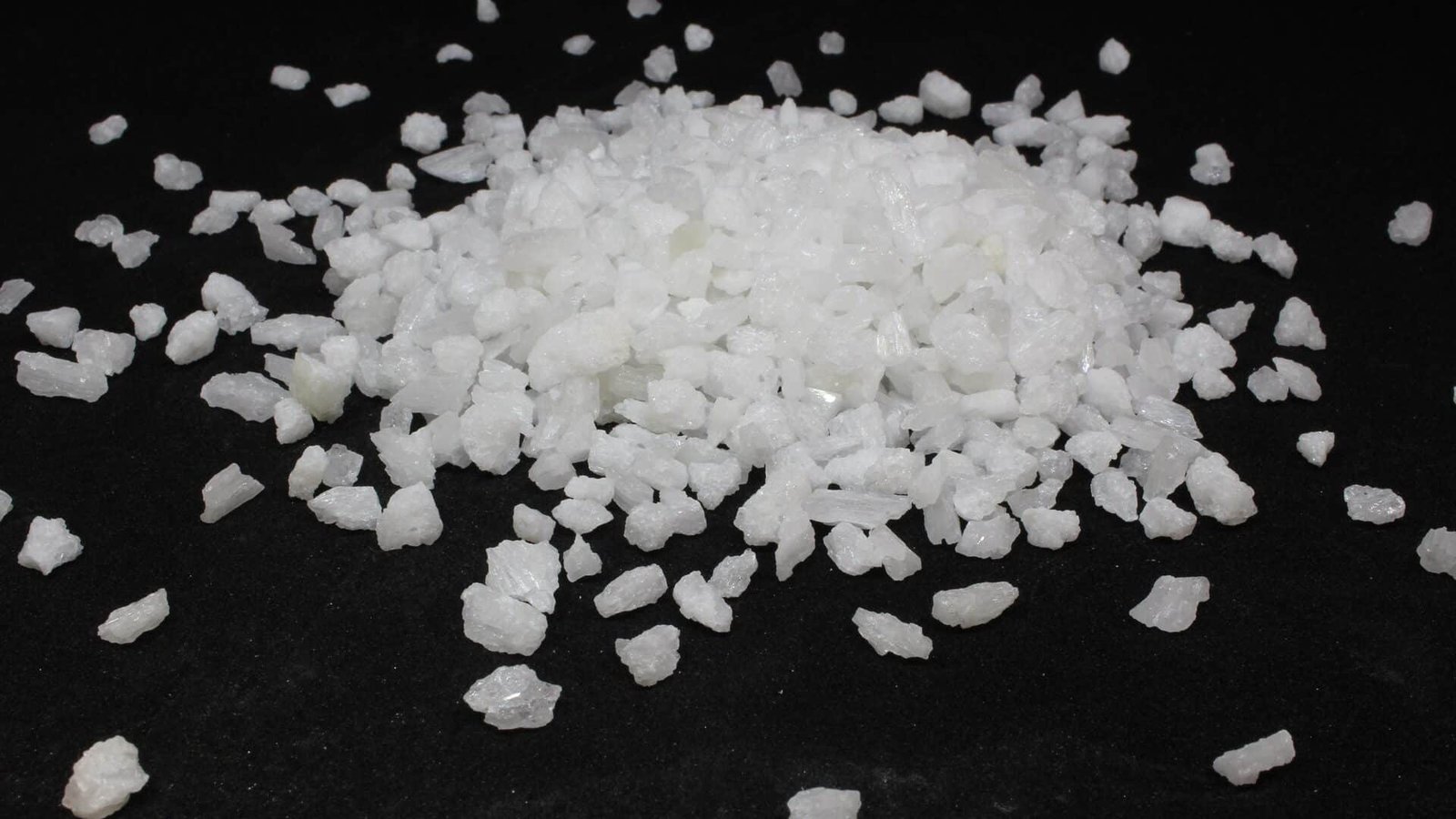 Performance engineered for Ceramic
Comprehensive range of Mullite grades for diverse industrial applications
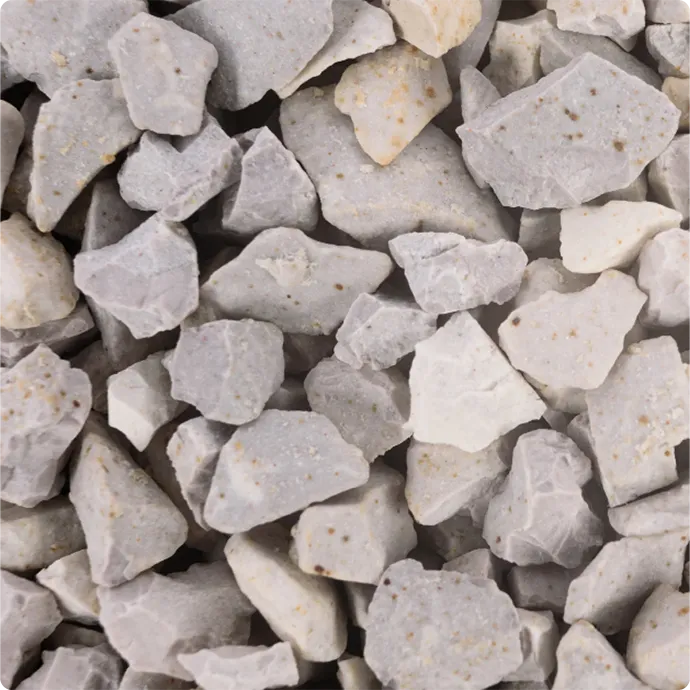
Pre-synthesised mullite for electrical insulator and high-temperature technical ceramic applications. Provides controlled refractoriness, low thermal expansion, and excellent high-temperature mechanical stability for demanding engineering ceramic applications.
Application areas listed against Mullite in the Ceramic application matrix
Role / FunctionHigh-Temp Stability
Key Grades—

Role / FunctionRefractoriness, High-Temp Strength
Key Grades—

Role / FunctionHigh-Temp Strength, Refractoriness
Key Grades—
Applications listed for Mullite in the Ceramic product sheet
Our experts will guide you to the perfect mullite solution
Common questions about Mullite in ceramic applications
Mullite (3Al₂O₃·2SiO₂) is a stable aluminium silicate compound that forms naturally during high-temperature firing of aluminosilicate ceramics containing kaolin and feldspar. It can also be synthesised and added directly as a pre-formed raw material for precise performance control in technical and refractory ceramics.
In electrical insulator ceramics (electrical porcelain), mullite provides exceptional high-temperature mechanical stability, low thermal expansion, and good dielectric properties. The controlled formation of a mullite-rich microstructure during firing ensures that the insulator maintains dimensional integrity and mechanical strength under electrical load and thermal cycling.
Mullite has a high melting point (~1840°C) and excellent resistance to high-temperature creep and deformation. When present as a crystalline phase in the ceramic microstructure, it acts as a high-temperature skeletal reinforcement, preventing deformation and maintaining dimensional stability at service temperatures far beyond those of conventional ceramic formulations.
Mullite has a relatively low thermal expansion coefficient (~5×10⁻⁶/°C), which reduces the overall thermal expansion of the ceramic body. This lower expansion improves thermal shock resistance — the ability of the ceramic to withstand rapid temperature changes without cracking — critical for kiln furniture and high-temperature insulators.
Yes. Mullite forms naturally during high-temperature firing of kaolin-containing ceramics when the kaolinite (Al₂Si₂O₅(OH)₄) transforms through metakaolin, spinel, and ultimately mullite at temperatures above ~1000°C. This in-situ mullite formation is the basis for the high-temperature properties of porcelain and electrical ceramics.
Mullite provides its best performance at service temperatures of 1200–1700°C, making it ideal for kiln furniture, high-temperature electrical insulators, and advanced technical ceramics. Below 1000°C, its advantage over conventional aluminosilicate ceramics is less pronounced.
Watch how 20 Microns' Mullite supports real-world industrial applications.
 YouTube
Official Product Film
YouTube
Official Product Film
Partner with India's leading producer of industrial minerals for superior mullite solutions