
Use Area
01
Soil Treatment
Role / FunctionpH Control & Neutralising Agent
Formulation TypesFungicide Formulations (Bordeaux Mixture)
Hydrated lime is widely used in agrochemical formulations for pH control and as a neutralising agent. It helps maintain the stability and effectiveness of active ingredients by adjusting formulation pH. Additionally, it is used in fungicide preparations suc...
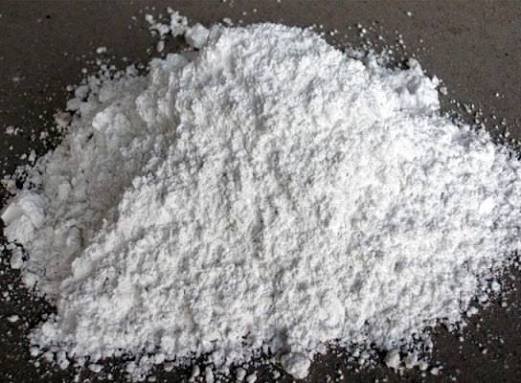
Why Hydrated Lime is the preferred choice for agro formulations
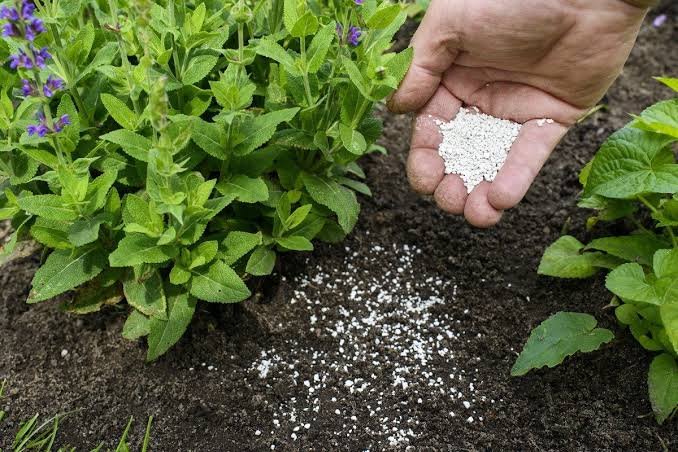 Performance engineered for Agro
Comprehensive range of Hydrated Lime grades for diverse industrial applications
High-reactivity hydrated lime for agrochemical pH control and soil treatment, providing consistent alkalinity, fine particle size, and rapid neutralisation performance.
Controlled-quality hydrated lime for agrochemical formulations requiring specific Ca(OH)₂ content, particle size, and purity for pH adjustment and fungicide preparation.
Application areas listed against Hydrated Lime in the Agro application matrix
Role / FunctionpH Control & Neutralising Agent
Formulation TypesFungicide Formulations (Bordeaux Mixture)
Role / FunctionpH Control & Neutralising Agent
Formulation TypesFungicide Formulations (Bordeaux Mixture)
Applications listed for Hydrated Lime in the Agro product sheet
Our experts will guide you to the perfect hydrated lime solution
Common questions about Hydrated Lime in agro applications
Bordeaux mixture is a classic copper-based fungicide prepared by combining copper sulphate with hydrated lime. The lime neutralises the acidity of copper sulphate, forming a stable copper-lime complex that is less phytotoxic and provides prolonged antifungal activity on plant surfaces.
Hydrated lime (Ca(OH)₂) is a strong base that rapidly dissolves in water to release hydroxide ions, raising the pH of the formulation system. It is used in controlled quantities to adjust formulation pH into the range required for stability of the active ingredient and optimal performance.
Hydrated lime neutralises soil acidity by reacting with hydrogen ions in the soil, raising pH towards the neutral range (6.5–7.0) optimal for most crop nutrient uptake. It also supplies calcium, improves soil structure, reduces aluminium and manganese toxicity, and creates conditions favourable for beneficial soil microorganisms.
Yes. Hydrated lime (Ca(OH)₂) is much more reactive and faster-acting than agricultural lime (CaCO₃). It raises soil pH more quickly but must be applied at lower rates. CaCO₃ is slower but gentler and preferred for gradual, long-term soil pH management.
By maintaining the required alkaline pH in the formulation, hydrated lime prevents hydrolysis of pH-sensitive active ingredients that would otherwise degrade under acidic conditions. This pH buffering action extends the effective shelf life of the agrochemical product during storage.
For agrochemical use, hydrated lime should have minimum Ca(OH)₂ content of 90–95%, controlled particle size, low heavy metal content (particularly lead and arsenic), and consistent whiteness. Our Micron Lime and Hydrated Lime 2001686 grades meet these agrochemical quality requirements.
Watch how 20 Microns' Hydrated Lime supports real-world industrial applications.
 YouTube
Official Product Film
YouTube
Official Product Film
Partner with India's leading producer of industrial minerals for superior hydrated lime solutions