
Use Area
01
Soil Conditioning
Role / FunctionSoil Conditioner & pH Corrector
Formulation TypesSoil Treatment, Agro Blends
Calcium oxide is a highly reactive compound used in agricultural and agrochemical applications for soil treatment and pH correction. It helps neutralise acidic soils, improving nutrient availability and crop productivity. Its strong alkaline nature also aid...
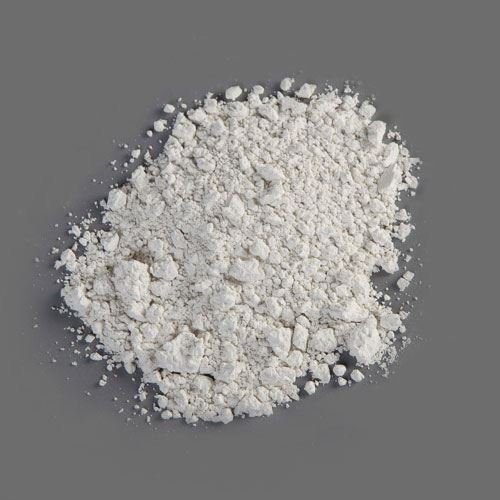
Why Calcium Oxide is the preferred choice for agro formulations
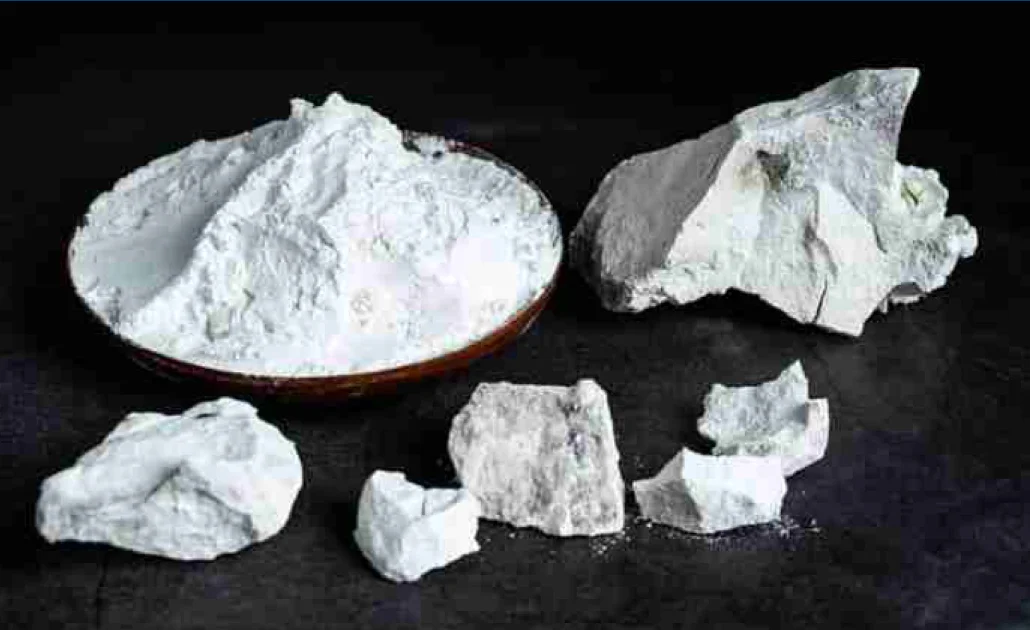 Performance engineered for Agro
Comprehensive range of Calcium Oxide grades for diverse industrial applications
Ultra-fine calcium oxide for agrochemical and soil treatment applications, offering high reactivity, rapid pH correction, and excellent dispersibility for soil conditioning and agrochemical stabilisation.
High-purity calcium oxide for agricultural soil treatment and agrochemical applications, providing consistent CaO content, controlled reactivity, and reliable pH correction performance.
Application areas listed against Calcium Oxide in the Agro application matrix
Role / FunctionSoil Conditioner & pH Corrector
Formulation TypesSoil Treatment, Agro Blends
Role / FunctionSoil Conditioner & pH Corrector
Formulation TypesSoil Treatment, Agro Blends
Applications listed for Calcium Oxide in the Agro product sheet
Our experts will guide you to the perfect calcium oxide solution
Common questions about Calcium Oxide in agro applications
Calcium oxide (CaO, quicklime) is the anhydrous, more concentrated, and more reactive form of lime. It reacts exothermically with water to form calcium hydroxide. CaO has higher calcium content per unit weight, greater reactivity, and faster soil pH correction, but requires more careful handling due to its high reactivity.
The strong alkalinity (pH > 12) generated when CaO reacts with soil moisture creates extremely unfavourable conditions for soil-borne pathogens including fungi, bacteria, and nematodes. This sanitising effect is used as a pre-plant soil treatment in high-value crops and areas with history of soil disease problems.
The lime requirement is determined by soil testing — measuring soil pH and buffer pH to calculate the amount of lime needed to raise pH to the target level. CaO dosage is calculated based on its neutralising value (typically 150–180 vs CaCO₃ base of 100), applying lower rates than agricultural lime to achieve the same pH correction.
Calcium oxide requires careful handling as it is caustic and reacts exothermically with water. PPE (gloves, eye protection, dust mask) should be used. It should not be applied to growing crops directly and must be incorporated into soil or diluted before plant contact.
Calcium oxide is the fastest-acting of all liming materials. Soil pH correction can begin within days of application, whereas calcium carbonate may take several months. This makes CaO particularly useful before planting when rapid pH correction is needed.
Yes. Calcium oxide's pathogen-controlling alkalinity is valuable for preventing soil-borne diseases like club root in brassicas and fusarium in cereals. It should not be used in soils already at neutral to alkaline pH as it may raise pH to levels harmful to most crops.
Watch how 20 Microns' Calcium Oxide supports real-world industrial applications.
 YouTube
Official Product Film
YouTube
Official Product Film
Partner with India's leading producer of industrial minerals for superior calcium oxide solutions