Use Area
01
Sanitaryware — Casting Slip / Body
Role / FunctionFlux, Vitrification
Key GradesPOTASH FELDSPAR
Feldspar is a key fluxing material in ceramic applications, helping to lower the melting temperature and promote vitrification during firing. It improves strength, enhances surface finish, and contributes to better glaze development, making it essential for pr

Why Feldspar is the preferred choice for ceramic formulations
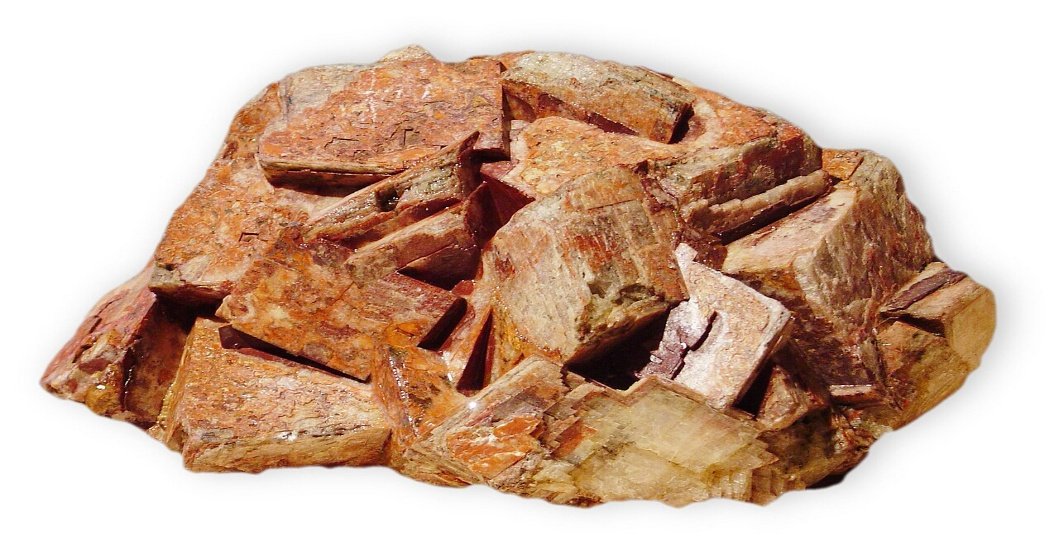 Performance engineered for Ceramic
Comprehensive range of Feldspar grades for diverse industrial applications
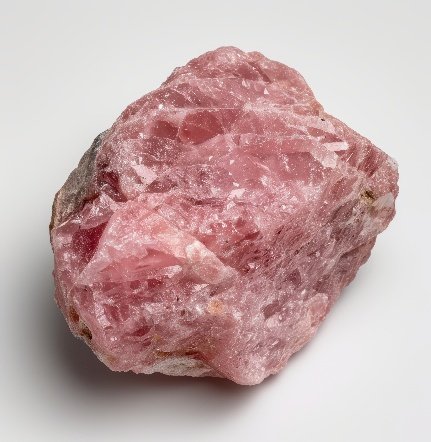
Potash feldspar (K₂O rich) is the preferred ceramic flux for producing high-strength, vitrified ceramic bodies. It promotes a viscous glass phase during firing, contributing to improved mechanical strength, surface finish, and glaze development in sanitaryware, tableware, and tile applications.
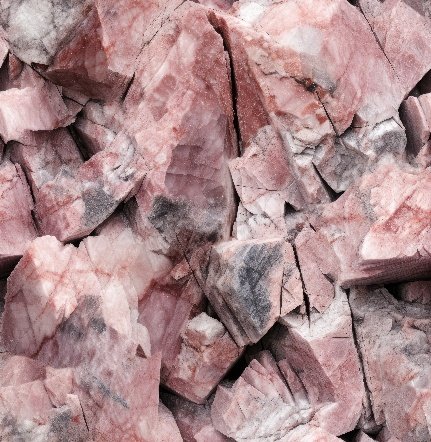
Soda feldspar (Na₂O rich) is used in ceramics where faster vitrification at lower temperatures is required. It enhances glaze smoothness, promotes early glass formation, and is ideal for fast-firing ceramic bodies and glaze formulations.
Application areas listed against Feldspar in the Ceramic application matrix
Role / FunctionFlux, Vitrification
Key GradesPOTASH FELDSPAR

Role / FunctionFlux, Glaze Development
Key GradesPOTASH FELDSPAR

Role / FunctionFlux, Vitrification, Strength
Key GradesPOTASH FELDSPAR

Role / FunctionFlux, Electrical Insulation Properties
Key Grades—
Applications listed for Feldspar in the Ceramic product sheet
Our experts will guide you to the perfect feldspar solution
Common questions about Feldspar in ceramic applications
Feldspar is the primary fluxing agent in ceramic bodies. It lowers the melting temperature of the ceramic mixture during firing, promotes vitrification (formation of a glass phase), improves densification, and enhances fired mechanical strength and surface finish.
Potash feldspar (K₂O) produces a more viscous glass phase during firing, resulting in higher strength and better surface quality, and is preferred for sanitaryware and premium tableware. Soda feldspar (Na₂O) produces a less viscous glass, promotes faster vitrification, and is suitable for fast-firing tile bodies.
In ceramic glazes, feldspar provides the alkali fluxes (K₂O and Na₂O), alumina (Al₂O₃), and silica (SiO₂) needed for glass formation. It controls glaze melt viscosity, surface tension, and thermal expansion, contributing to smooth, defect-free glaze surfaces.
In sanitaryware, potash feldspar ensures complete vitrification of the dense porcelain body at the firing temperature, providing the mechanical strength, water absorption resistance, and bright glaze surface required for premium vitreous china sanitaryware.
Yes. The feldspar content directly controls the onset and extent of vitrification. Higher feldspar loadings lower the effective firing temperature and increase glass phase formation, which improves densification but can also cause deformation if excessive — requiring careful formulation control.
For ceramic body applications, feldspar is typically milled to below 63 microns (240 mesh) to ensure uniform distribution and reactivity. For glaze applications, finer milling (below 45 microns) is preferred for consistent glaze surface smoothness and chemical homogeneity.
Watch how 20 Microns' Feldspar supports real-world industrial applications.
 YouTube
Official Product Film
YouTube
Official Product Film
Partner with India's leading producer of industrial minerals for superior feldspar solutions