
Use Area
01
Insulator — Specialty
Role / FunctionHardness, Wear & Thermal Resistance
Key Grades—
Microns Calcined Alumina is a high-purity material widely used in ceramics for its excellent hardness, strength, and thermal stability. It enhances mechanical strength, wear resistance, and high-temperature performance in advanced and technical ceramics. Commo

Why Calcined Alumina is the preferred choice for ceramic formulations
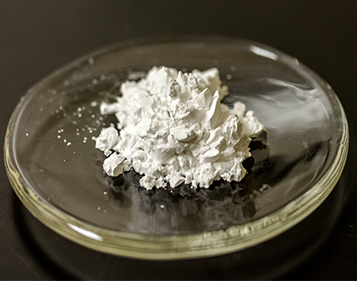 Performance engineered for Ceramic
Comprehensive range of Calcined Alumina grades for diverse industrial applications
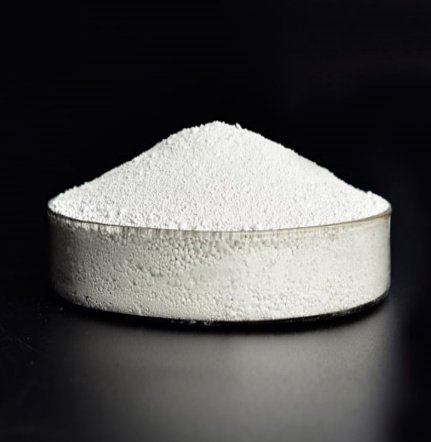
High-purity calcined alumina (>99% Al₂O₃) for advanced technical and electrical ceramic applications. Provides exceptional hardness, wear resistance, high-temperature mechanical strength, and excellent electrical insulation properties for demanding engineering ceramic requirements.
Application areas listed against Calcined Alumina in the Ceramic application matrix
Role / FunctionHardness, Wear & Thermal Resistance
Key Grades—
Applications listed for Calcined Alumina in the Ceramic product sheet
Our experts will guide you to the perfect calcined alumina solution
Common questions about Calcined Alumina in ceramic applications
Calcined alumina is produced by the thermal treatment of aluminium hydroxide (gibbsite) at high temperatures (1000–1200°C), converting it to the stable alpha-alumina (α-Al₂O₃) phase. The calcination temperature controls the crystal size, surface area, and sintering reactivity of the alumina for specific ceramic applications.
Calcined alumina provides the highest hardness (Mohs 9), exceptional wear resistance, high-temperature mechanical strength, excellent chemical inertness, and good electrical insulation properties. These properties are essential for technical ceramic components operating in high-temperature, high-wear, or electrically demanding environments.
Calcined alumina is used in high-voltage electrical insulators, refractory bricks and kiln furniture, wear-resistant ceramic components (grinding media, liners), spark plugs, cutting tools, electronic substrates, and advanced technical ceramics where other materials lack the required hardness and thermal stability.
Higher purity (>99% Al₂O₃) alumina produces ceramics with better mechanical strength, higher dielectric performance, lower porosity, and more consistent sintering behaviour. Lower-purity grades contain more impurities (SiO₂, Fe₂O₃) that can form secondary glass phases, reducing high-temperature mechanical performance.
High-purity alpha-alumina ceramics typically require sintering temperatures of 1550–1700°C to achieve full densification (>99% theoretical density). Sintering aids such as MgO (0.1–0.5%) are added to promote grain boundary mobility and densification at lower temperatures.
Calcined alumina is produced by thermal treatment of aluminium hydroxide and is used primarily in sintered ceramic bodies. Fused alumina is produced by electric arc melting and is used primarily as an abrasive and refractory aggregate. Calcined alumina has higher chemical purity and more controlled sintering reactivity for technical ceramic applications.
Watch how 20 Microns' Calcined Alumina supports real-world industrial applications.
 YouTube
Official Product Film
YouTube
Official Product Film
Partner with India's leading producer of industrial minerals for superior calcined alumina solutions