Use Area
01
Insulator — Body Formulation
Role / FunctionElectrical Insulation, Layered Structure
Key Grades—
Mica is used in technical and electrical ceramics for its excellent electrical insulation properties, thermal stability, and unique lamellar (plate-like) structure. It contributes to mechanical strength and electrical performance of insulator bodies, particula
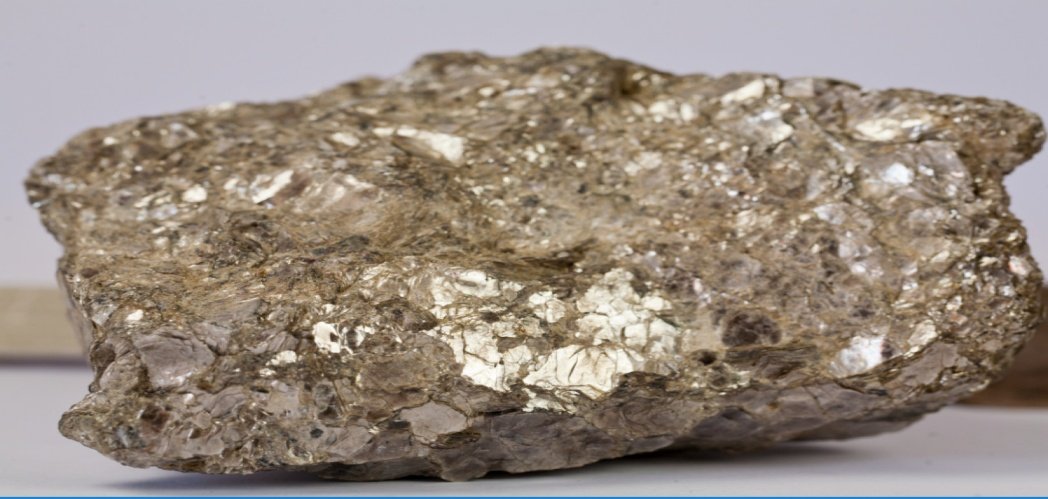
Why Mica is the preferred choice for ceramic formulations
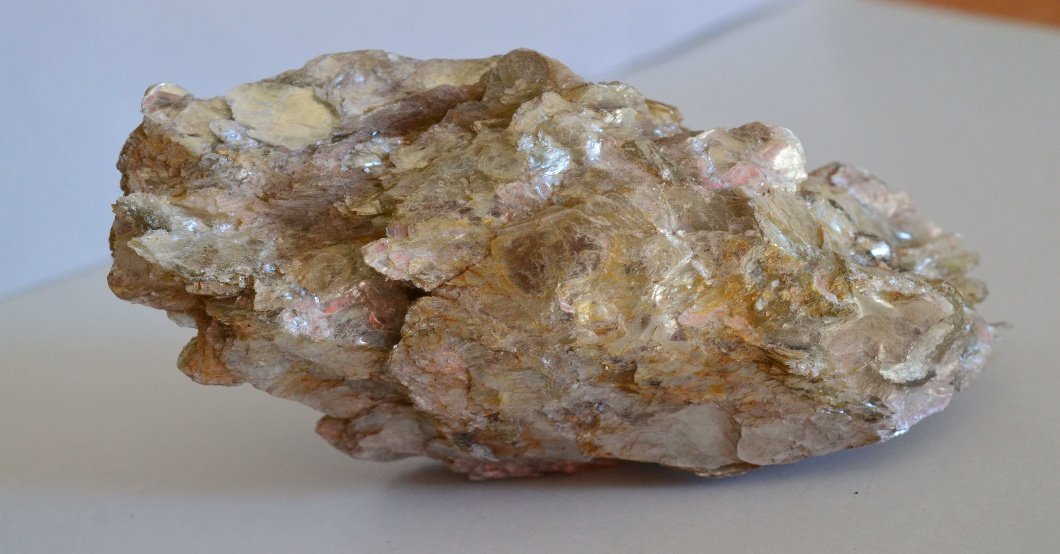 Performance engineered for Ceramic
Comprehensive range of Mica grades for diverse industrial applications
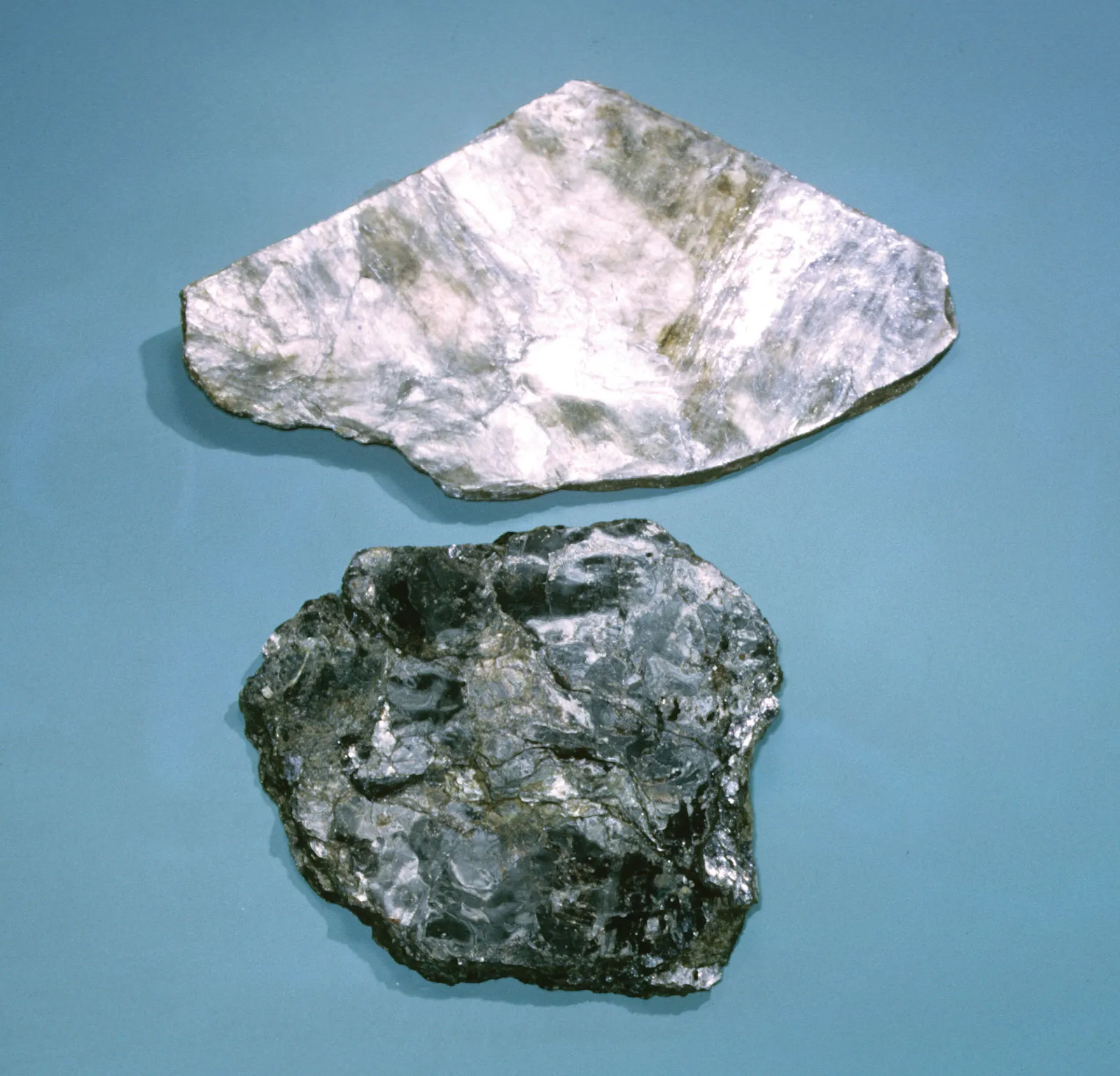
Muscovite mica for electrical and technical ceramic applications, providing excellent electrical insulation, high thermal stability, and unique lamellar structure that contributes to mechanical strength and electrical breakdown resistance in high-voltage insulator body formulations.
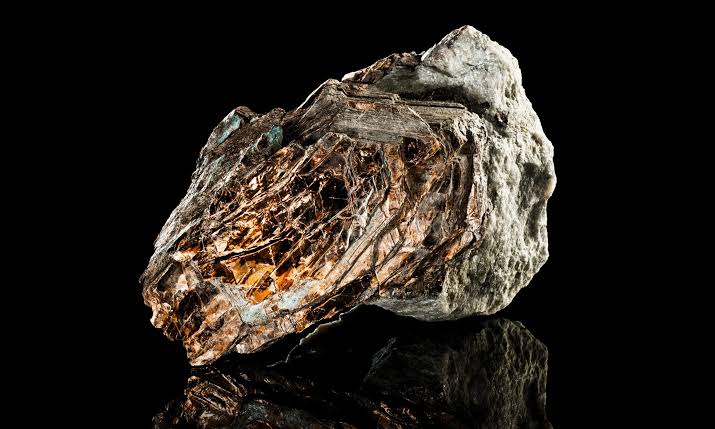
Phlogopite mica for high-temperature electrical insulation ceramic applications, offering superior thermal stability compared to muscovite (stable to ~1000°C), making it suitable for demanding high-temperature electrical ceramic and refractory applications.
Application areas listed against Mica in the Ceramic application matrix
Role / FunctionElectrical Insulation, Layered Structure
Key Grades—
Applications listed for Mica in the Ceramic product sheet
Our experts will guide you to the perfect mica solution
Common questions about Mica in ceramic applications
Mica provides exceptional electrical insulation properties due to its layered silicate crystal structure, which prevents electron conduction. In electrical porcelain insulators, controlled mica content contributes to improved dielectric strength, reducing the risk of electrical breakdown under high-voltage conditions.
Muscovite mica (KAl₂(AlSi₃O₁₀)(OH)₂) is the most common type, suitable for most electrical ceramic applications up to ~700°C. Phlogopite mica (KMg₃(AlSi₃O₁₀)(OH)₂) is thermally superior, stable to ~1000°C, making it preferred for high-temperature electrical and refractory ceramic applications.
Mica's plate-like (lamellar) structure provides anisotropic reinforcement within the ceramic body — the layers resist crack propagation perpendicular to the plates. This improves the mechanical strength of the ceramic matrix, particularly resistance to delamination and impact fracture in electrical insulator applications.
Yes. The presence of mica significantly improves the dielectric breakdown strength of electrical porcelain ceramics. The layered structure creates multiple high-resistance barriers to electrical discharge, effectively improving the insulation resistance of the ceramic body under high-voltage conditions.
Mica is most critical in high-voltage power line insulators, surge arresters, spark plug ceramics, and high-frequency electrical porcelain where dielectric strength and electrical insulation performance under thermal and electrical stress are primary design requirements.
Yes. Mica is typically used in combination with kaolin, feldspar, silica, and alumina in electrical ceramic body formulations. The proportion of mica is carefully controlled to balance the electrical insulation benefits with the firing behaviour and mechanical properties required for the specific insulator design.
Watch how 20 Microns' Mica supports real-world industrial applications.
 YouTube
Official Product Film
YouTube
Official Product Film
Partner with India's leading producer of industrial minerals for superior mica solutions