Use Area
01
Feed Formulations
Role / FunctionAdsorbent & Digestive Support
Key GradesMicron China FG 100, FG 200
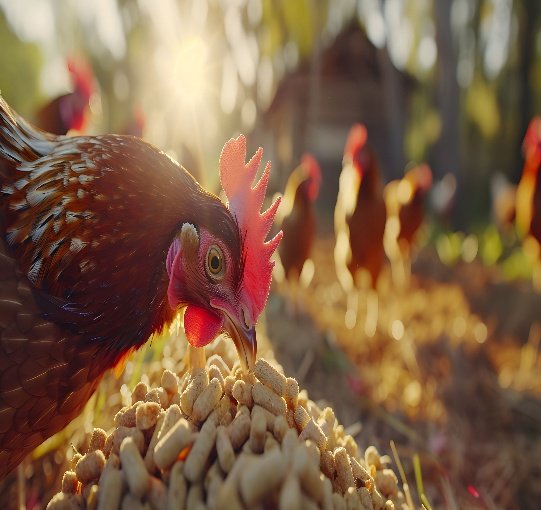
Kaolin clay is used in animal feed for its adsorptive and anti-diarrheal properties. It helps bind toxins and harmful substances in the digestive system, protecting the intestinal lining and improving gut health. Kaolin supports better digestion and nutrient a

Why Kaolin Clay is the preferred choice for animal feed formulations
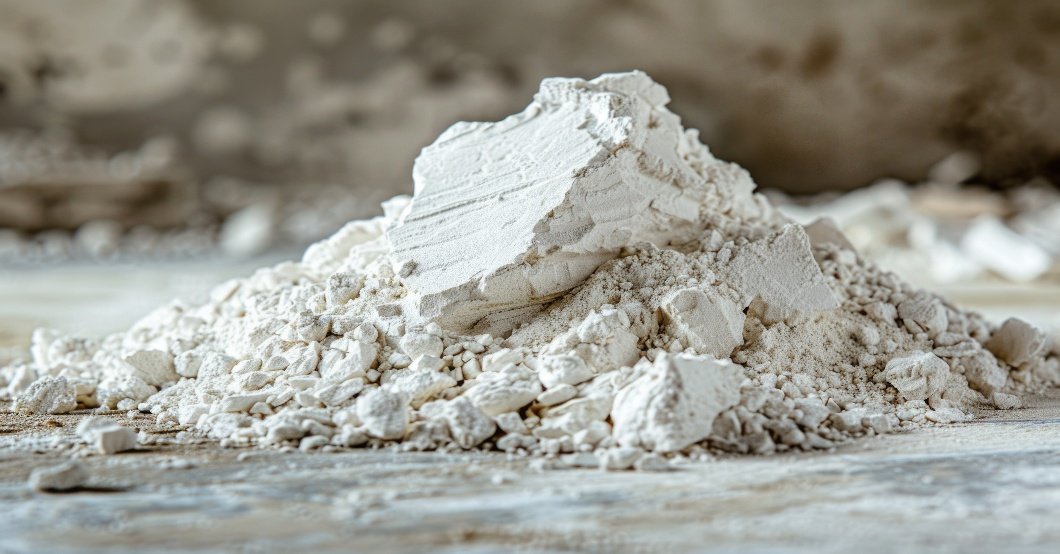 Performance engineered for Animal Feed
Comprehensive range of Kaolin Clay grades for diverse industrial applications

Feed-grade kaolin (100 mesh) for animal and poultry feed. Provides effective toxin adsorption, intestinal lining protection, and anti-diarrheal action. Supports better nutrient absorption and gut health in livestock, poultry, and aquaculture.

Finer feed-grade kaolin (200 mesh) for premium feed and premix applications requiring enhanced dispersion, improved surface area for toxin adsorption, and consistent performance in high-quality animal feed formulations.
Application areas listed against Kaolin Clay in the Animal Feed application matrix
Role / FunctionAdsorbent & Digestive Support
Key GradesMicron China FG 100, FG 200
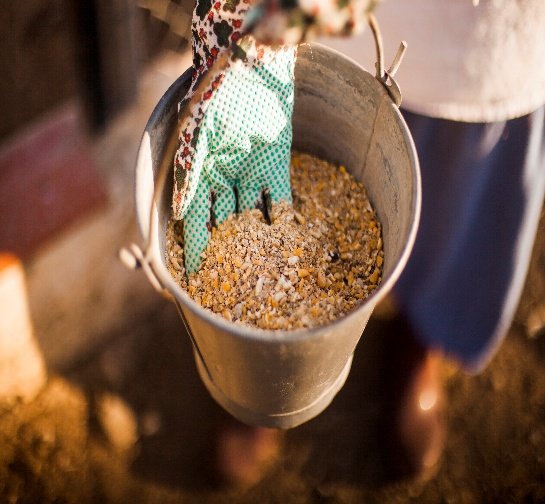
Role / FunctionAdsorbent & Digestive Support
Key GradesMicron China FG 100, FG 200
Applications listed for Kaolin Clay in the Animal Feed product sheet
Our experts will guide you to the perfect kaolin clay solution
Other website markets with a verified Kaolin Clay product-family listing
Common questions about Kaolin Clay in animal feed applications
Feed-grade kaolin (Micron China FG series) is specifically processed and quality-tested to meet animal feed safety requirements. It has controlled particle size, high chemical purity, low heavy metal content, and microbiological standards. Industrial kaolin may contain impurities and is not suitable for animal consumption.
Kaolin particles, due to their flat plate-like structure and high affinity for mucous membranes, form a physical protective coating on the intestinal epithelium. This coating reduces direct contact of toxins, pathogens, and irritants with the intestinal lining, reducing inflammation and supporting mucosal integrity.
Yes. Kaolin has well-documented anti-diarrheal efficacy in animals. It works by adsorbing bacterial toxins and pathogens, absorbing excess intestinal water, and forming a protective mucosal barrier that reduces intestinal irritation and normalises peristaltic activity.
Kaolin adsorbs bacterial endotoxins (lipopolysaccharides), some mycotoxins, and other polar compounds through electrostatic interactions with its charged clay surface. Its primary strength is in binding microbial toxins that cause GI inflammation.
Yes. Kaolin is often used in combination with HSCAS, zeolite, bentonite, or attapulgite in multi-ingredient toxin binder blends. Each mineral has complementary adsorption characteristics covering different toxin types and GI tract conditions, providing more comprehensive protection.
Feed-grade kaolin is typically included at 0.5–2.0% of the total feed formulation. Lower rates (0.5–1.0%) are used for general gut health support and toxin adsorption, while higher rates may be used therapeutically during periods of high disease risk, weaning stress, or confirmed mycotoxin contamination.
Watch how 20 Microns' Kaolin Clay supports real-world industrial applications.
 YouTube
Official Product Film
YouTube
Official Product Film
Partner with India's leading producer of industrial minerals for superior kaolin clay solutions