
Use Area
01
Drilling Fluids
Role / FunctionLubrication & Loss Circulation Control
Key GradesNatural Flake Graphite Coarse/Medium/Fine, Micronized Graphite Powder
The graphite additive is a high-performance material designed for oil and gas drilling, cementing, and lost circulation applications. Its natural lubricity reduces torque and drag, improving drilling efficiency and minimising equipment wear. It also acts as an
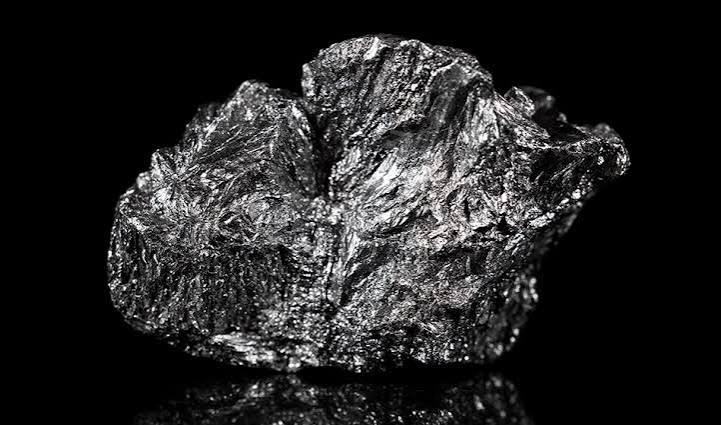
Why Graphite is the preferred choice for oil & gas formulations
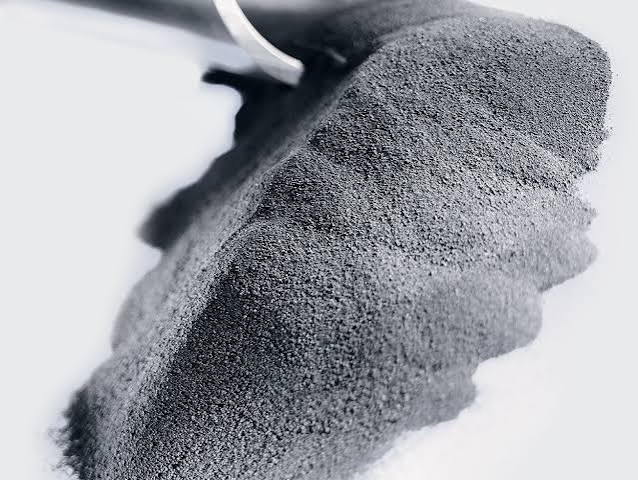 Performance engineered for Oil & Gas
Comprehensive range of Graphite grades for diverse industrial applications
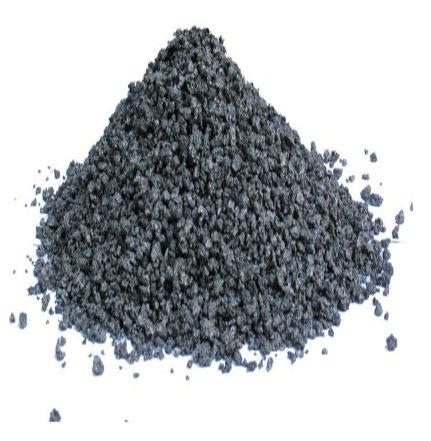
Coarse natural flake graphite for primary LCM and bridging applications in drilling fluids, providing effective mechanical sealing of wide fractures and loss zones through its lamellar plate structure.
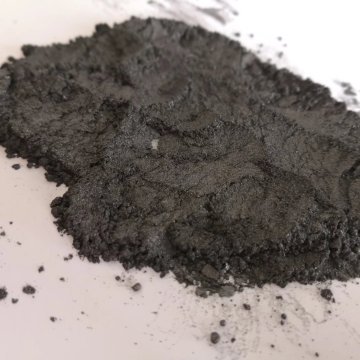
Medium natural flake graphite for versatile LCM and lubrication applications in drilling fluids, balancing fracture bridging effectiveness with lubrication coefficient reduction for directional drilling operations.
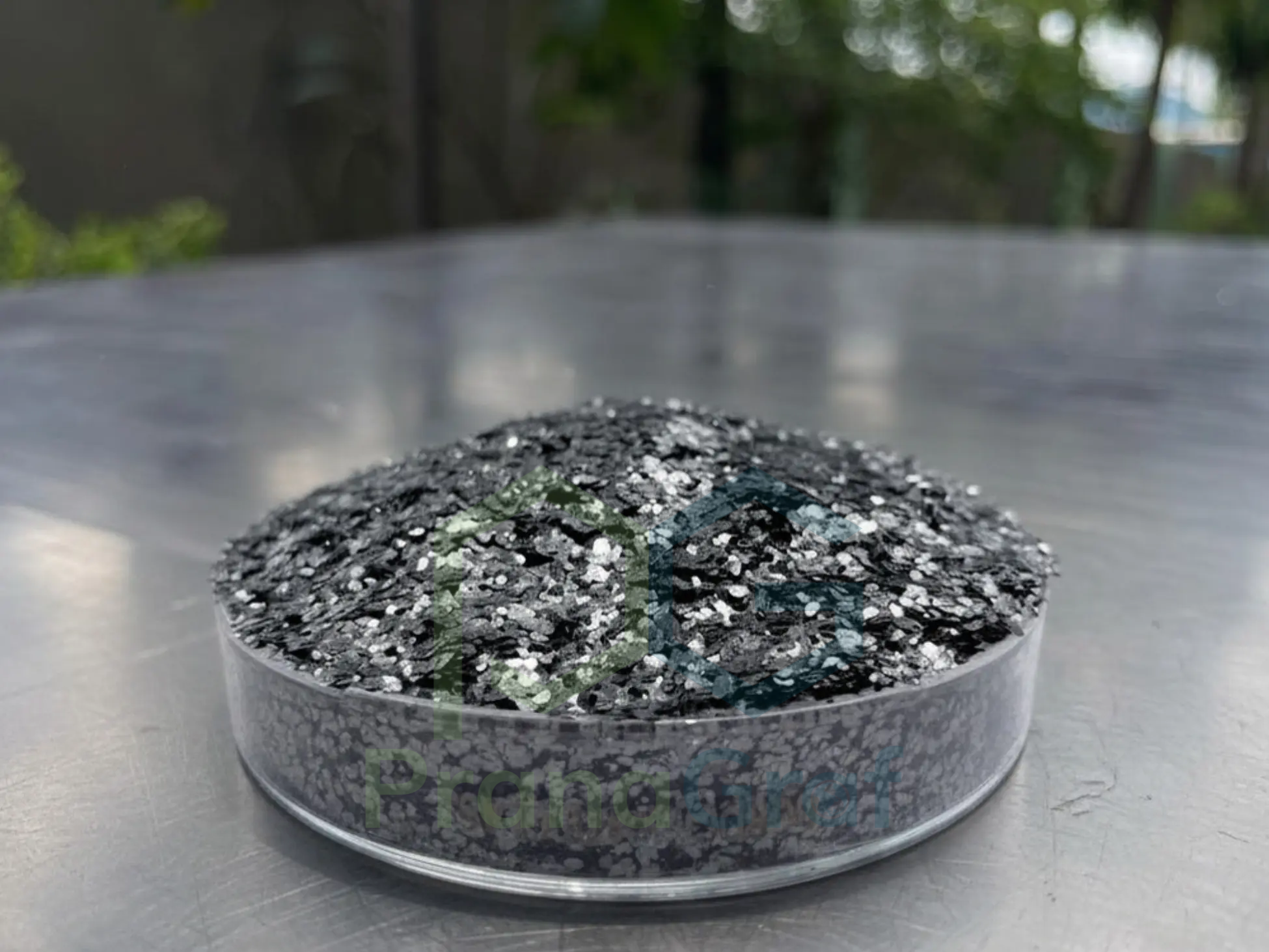
Fine natural flake graphite for lubrication-focused drilling fluid applications requiring reduced torque and drag, improved ROP in hard formations, and fine fracture sealing in tight loss zones.
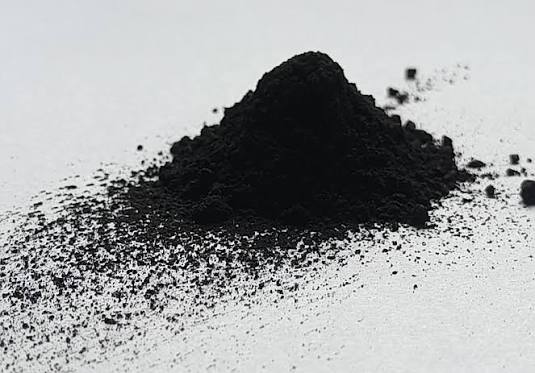
Ultra-fine micronised graphite powder for cementing slurry and speciality drilling fluid applications requiring maximum lubrication, improved slurry rheology, and fine particle loss control in high-permeability zones.
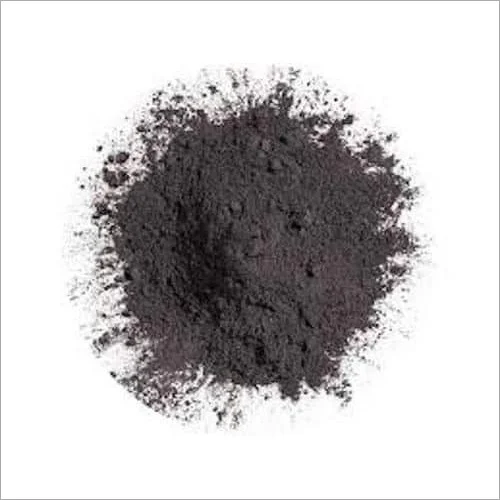
Custom particle size distribution graphite grades designed to specific drilling program requirements for optimised LCM bridging or lubrication performance in unique formation conditions.
Application areas listed against Graphite in the Oil & Gas application matrix
Role / FunctionLubrication & Loss Circulation Control
Key GradesNatural Flake Graphite Coarse/Medium/Fine, Micronized Graphite Powder

Role / FunctionLubrication & Loss Circulation Control
Key GradesNatural Flake Graphite Coarse/Medium/Fine, Micronized Graphite Powder

Role / FunctionLubrication & Loss Circulation Control
Key GradesNatural Flake Graphite Coarse/Medium/Fine, Micronized Graphite Powder

Role / FunctionLubrication & Loss Circulation Control
Key GradesNatural Flake Graphite Coarse/Medium/Fine, Micronized Graphite Powder
Applications listed for Graphite in the Oil & Gas product sheet
Our experts will guide you to the perfect graphite solution
Common questions about Graphite in oil & gas applications
Graphite's layered crystal structure (hexagonal lattice with weak van der Waals bonds between layers) allows layers to slide easily over each other, creating an extremely low coefficient of friction. When graphite particles are present in drilling fluid, they deposit on the drill pipe and borehole wall surfaces, forming a dry lubricant film that significantly reduces metal-to-rock and metal-to-metal friction in directional and extended-reach wells.
Graphite flakes bridge across fractures and high-permeability pore throats due to their plate-like morphology. The overlapping flakes create a physically interlocked mat that seals the loss pathway. In LCM blends, graphite flake is used in combination with granular and fibrous materials to provide complementary sealing mechanisms across different fracture geometries.
Graphite is one of the most thermally stable carbon forms, with a melting/sublimation point above 3,000°C in inert atmosphere. Under oilfield HPHT conditions (up to 250°C and 20,000 psi), graphite maintains its structure, lubricity, and LCM performance without degradation, making it more reliable than organic lubricants that degrade at elevated temperatures.
Natural flake graphite retains the layered plate-like crystal structure that provides both mechanical LCM bridging and lubrication. Micronised powder is ground to ultra-fine sizes, maximising lubrication surface area and enabling penetration into micro-fractures, but with reduced mechanical bridging capability. Coarser flake grades are used for LCM; finer grades for lubrication and cementing.
Yes. Micronised graphite powder is used in well cementing slurries as a lubrication aid to reduce slurry friction during pumping, improving rheology and reducing pump pressure requirements. It also provides some fluid loss control in the cement slurry and improves cement ductility under cyclic loading conditions.
Graphite is electrically conductive, which can affect resistivity-based formation evaluation measurements (electromagnetic MWD/LWD tools) when graphite concentrations alter mud resistivity significantly. This should be considered in wells where resistivity LWD is planned. Graphite is generally used at low concentrations (5–20 ppb) where this effect is minimal.
Watch how 20 Microns' Graphite supports real-world industrial applications.
 YouTube
Official Product Film
YouTube
Official Product Film
Partner with India's leading producer of industrial minerals for superior graphite solutions
