
Use Area
01
Tableware — Specialty
Role / FunctionEfflorescence Prevention
Key GradesBARIUM CARBONATE
Barium carbonate is widely used in the ceramics industry as a flux and functional additive. It acts as an anti-scumming (anti-efflorescence) agent, preventing soluble salt migration to the surface of tile and sanitaryware during drying and firing. As a glaze f

Why Barium Carbonate is the preferred choice for ceramic formulations
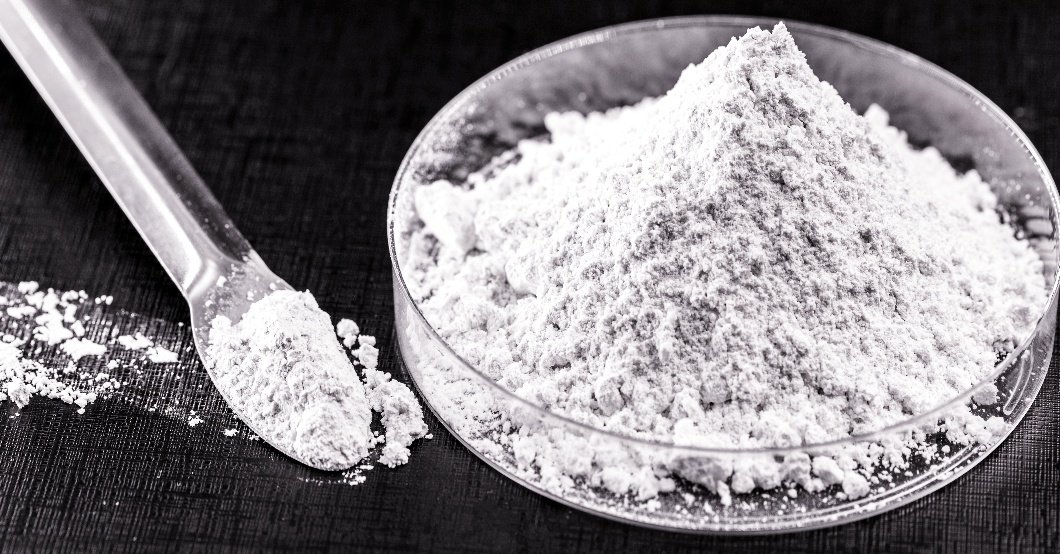 Performance engineered for Ceramic
Comprehensive range of Barium Carbonate grades for diverse industrial applications
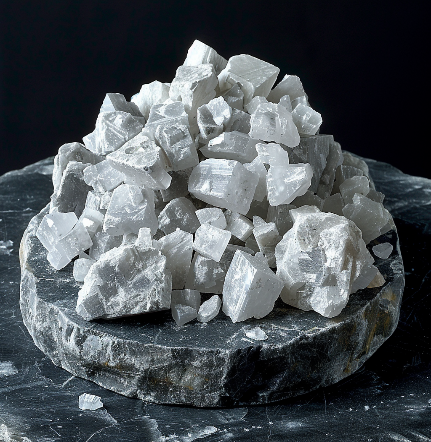
Ceramic-grade barium carbonate for anti-scumming applications in tile and sanitaryware bodies, and as a flux in ceramic glaze formulations. Improves vitrification, surface quality, and fired strength while preventing soluble salt efflorescence on ceramic surfaces.
Application areas listed against Barium Carbonate in the Ceramic application matrix
Role / FunctionEfflorescence Prevention
Key GradesBARIUM CARBONATE

Role / FunctionAnti-scumming, Glaze Flux
Key GradesBARIUM CARBONATE
Applications listed for Barium Carbonate in the Ceramic product sheet
Our experts will guide you to the perfect barium carbonate solution
Common questions about Barium Carbonate in ceramic applications
Barium carbonate reacts with soluble sulphate salts (particularly calcium and magnesium sulphates) present in raw ceramic materials, converting them into insoluble barium sulphate. This prevents soluble salts from migrating to the tile surface during drying and firing, eliminating white scum or efflorescence on the fired ceramic surface.
Barium carbonate is typically used at 0.3–1.0% by weight of the dry ceramic body mix, depending on the sulphate content of the raw materials. A higher sulphate burden from raw clay or feldspar requires a proportionally higher barium carbonate dosage to ensure complete neutralisation.
In ceramic glazes, BaO (formed from barium carbonate during firing) acts as a high-temperature flux that improves glaze melt fluidity, reduces surface tension, promotes glaze smoothness, and contributes to mechanical strength and chemical durability of the fired glaze.
Barium carbonate in its raw powder form requires proper handling precautions as it is toxic if ingested. However, after firing, barium is incorporated into the insoluble glass phase of the ceramic body or glaze and does not present a leaching hazard in the fired product.
Yes, barium carbonate is used in tableware glazes as a flux contributing to gloss, smoothness, and chemical durability. However, its leachability in the raw fired glaze must be assessed and controlled in compliance with food-safe ceramic regulations.
Yes. Barium carbonate decomposes at approximately 1000°C, releasing BaO and CO₂. The BaO then reacts with the glass phase, contributing to densification and vitrification. The CO₂ release must be accounted for in the firing schedule to avoid body bloating or pin holes.
Watch how 20 Microns' Barium Carbonate supports real-world industrial applications.
 YouTube
Official Product Film
YouTube
Official Product Film
Partner with India's leading producer of industrial minerals for superior barium carbonate solutions